
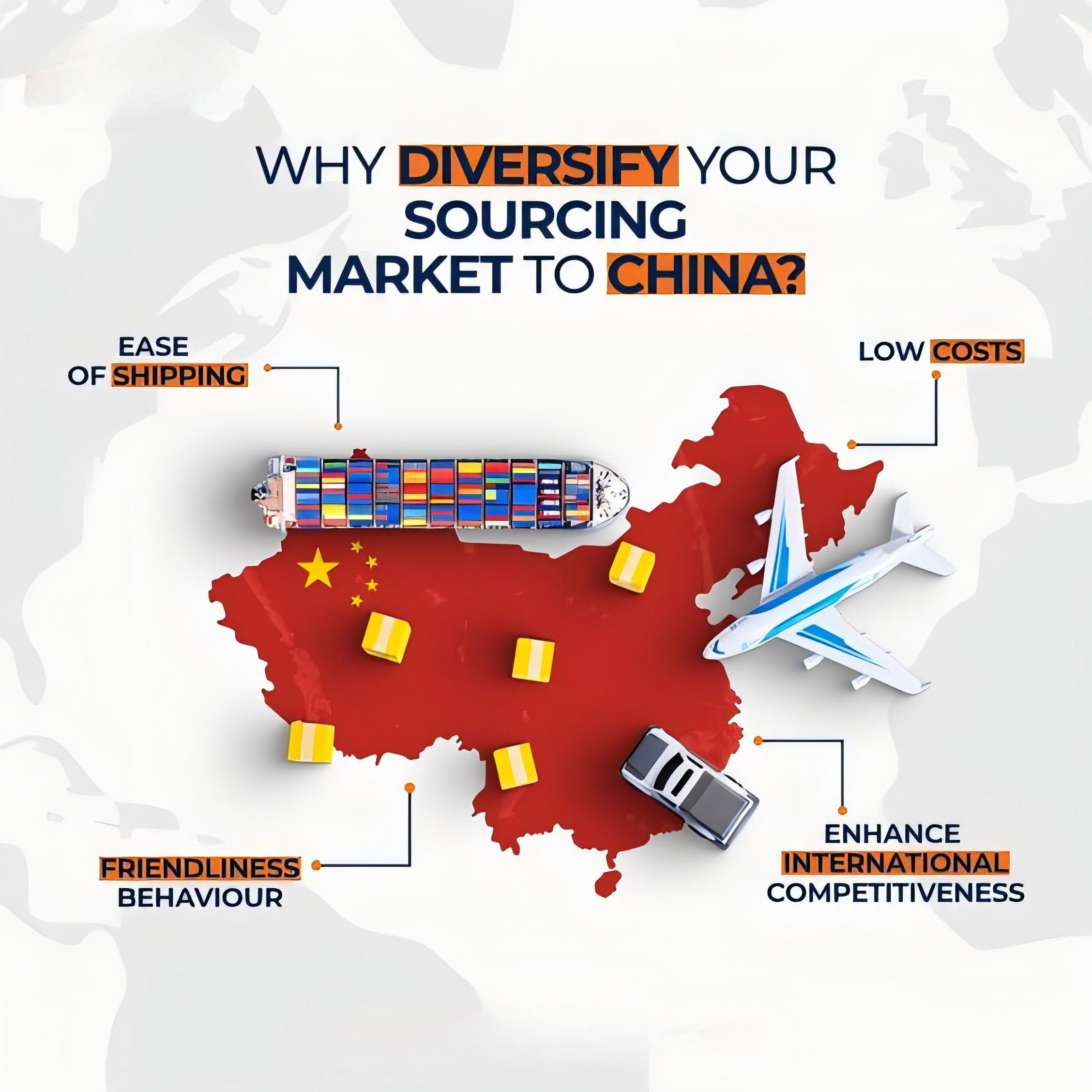
20gp Container Shipping from China to USA: A 2026 Logistics Guide
Navigating 20gp container shipping from China to USA requires precision, especially in the current 2026 global trade landscape. Whether you are a first-time importer or a seasoned supply chain manager, optimizing your freight strategy is essential for maintaining competitive margins. Global Supply Freight provides comprehensive logistics solutions to ensure your cargo moves efficiently; visit https://globalsupplyfreight.com/ for expert support.

Understanding 20gp Container Shipping from China to USA
The 20-foot equivalent unit or 20gp container remains a staple for heavy, dense cargo shipments. Importers often choose this size for machinery, stone, or metal components because it maximizes weight capacity without the bulk of larger alternatives.

Choosing the right partner for sea freight is critical to avoiding common pitfalls like port congestion. Furthermore, understanding the nuances of port-to-port versus door-to-door logistics can significantly impact your bottom line.
Market conditions in 2026 indicate that freight rates are stabilizing following recent geopolitical disruptions. Accordingly, businesses must stay informed about carrier capacity and fuel surcharges to manage their annual logistics budget effectively.
Key Factors Influencing Shipping Costs and Transit Times
Shipping costs fluctuate based on the specific route, seasonality, and fuel price indices. For instance, peak season demand from August through October typically pushes rates upward by 15 to 25 percent.
Transit times vary significantly depending on whether your goods are destined for the US West Coast or the US East Coast. West Coast ports like Los Angeles generally offer faster transit, whereas East Coast ports often involve longer voyages through the Panama Canal or via the Suez route.
In addition to ocean freight, you must account for origin charges, documentation fees, and final mile delivery. Leveraging door to door services can simplify this complexity by consolidating all charges into a single, transparent invoice.
| Route | 20GP Cost Range | Transit Time | Best For |
|---|---|---|---|
| China to US West | $1,500 – $2,200 | 14-18 Days | Heavy Machinery |
| China to US East | $2,500 – $3,500 | 30-35 Days | High Density Cargo |
How Does 20gp Shipping Compare to Other Options?
Comparing shipping methods is vital for cost optimization. While 20gp containers are ideal for specific cargo, other modes might better serve time-sensitive or smaller shipments.
For urgent inventory needs, air freight offers unmatched speed, though it comes at a significant premium. Conversely, if you are shipping small volumes, LCL (Less than Container Load) shipping might prove more economical than paying for an entire 20gp unit.
Moreover, rail freight serves as an excellent middle-ground alternative for inland destinations. It provides a faster timeline than sea freight while remaining more cost-effective than air travel.
| Method | Cost | Speed | Suitability |
|---|---|---|---|
| Sea (20GP) | Low | Slow | Bulk/Heavy |
| Air | Very High | Fast | Urgent/Light |
| Rail | Medium | Moderate | Inland Hubs |
Operational Excellence: Customs and Compliance
Proper documentation is the backbone of successful international trade. Utilizing professional customs brokerage services ensures that your cargo clears inspection without costly delays or penalties.
Furthermore, compliance with US import regulations is non-negotiable. Missing a single form can result in your 20gp container being held at the port, leading to expensive demurrage and detention charges.
Finally, ensure your commercial invoice, packing list, and bill of lading are meticulously prepared. Accuracy here prevents supply chain bottlenecks and keeps your delivery schedule on track.
Final Thoughts on 20gp Container Logistics
Successfully managing 20gp container shipping from China to USA requires a blend of strategic planning and reliable partnerships. By monitoring market trends and choosing the right shipping method, you can keep your supply chain resilient and cost-effective throughout 2026.
Whether you are looking for sea, air, or integrated logistics, staying proactive is your best defense against market volatility. Reach out to our team to ensure your next shipment is handled with the highest standards of professional care.
Get Your Shipping Quote Today
Ready to streamline your logistics? Contact our expert team today to get a competitive quote for your 20gp container shipping from China to USA. Visit our website or send us an inquiry to start your shipment .
Frequently Asked Questions
What is the weight limit for a 20gp container?
A standard 20gp container has a maximum payload capacity of approximately 28,000 kilograms. However, road weight restrictions in the United States often limit the actual allowable weight for inland trucking to around 17,000 to 20,000 kilograms.
How long does sea shipping take from China to the US?
Transit times typically range from 14 to 18 days for West Coast ports and 30 to 35 days for East Coast ports. These estimates are subject to carrier schedules, weather conditions, and port congestion levels.
Is a 20gp container cheaper than a 40gp?
Per unit, a 20gp is usually cheaper than a 40gp. However, the cost per cubic meter is often lower for a 40gp container. If your cargo volume is sufficient, a larger container often provides better economies of scale.
What documents are required for US customs?
Essential documents include the commercial invoice, packing list, bill of lading, and an arrival notice. Depending on the product, you may also need specific certificates of origin, FDA approvals, or other government agency clearances.
Can I track my container in real time?
Yes, most major carriers provide tracking numbers that allow you to monitor your container’s status via their web portals. Additionally, your freight forwarder can provide regular updates on your shipment’s location.
What are demurrage and detention fees?
Demurrage charges apply when containers are held at the port beyond the permitted free time. Detention fees occur when the empty container is not returned to the carrier’s depot within the specified timeframe.