
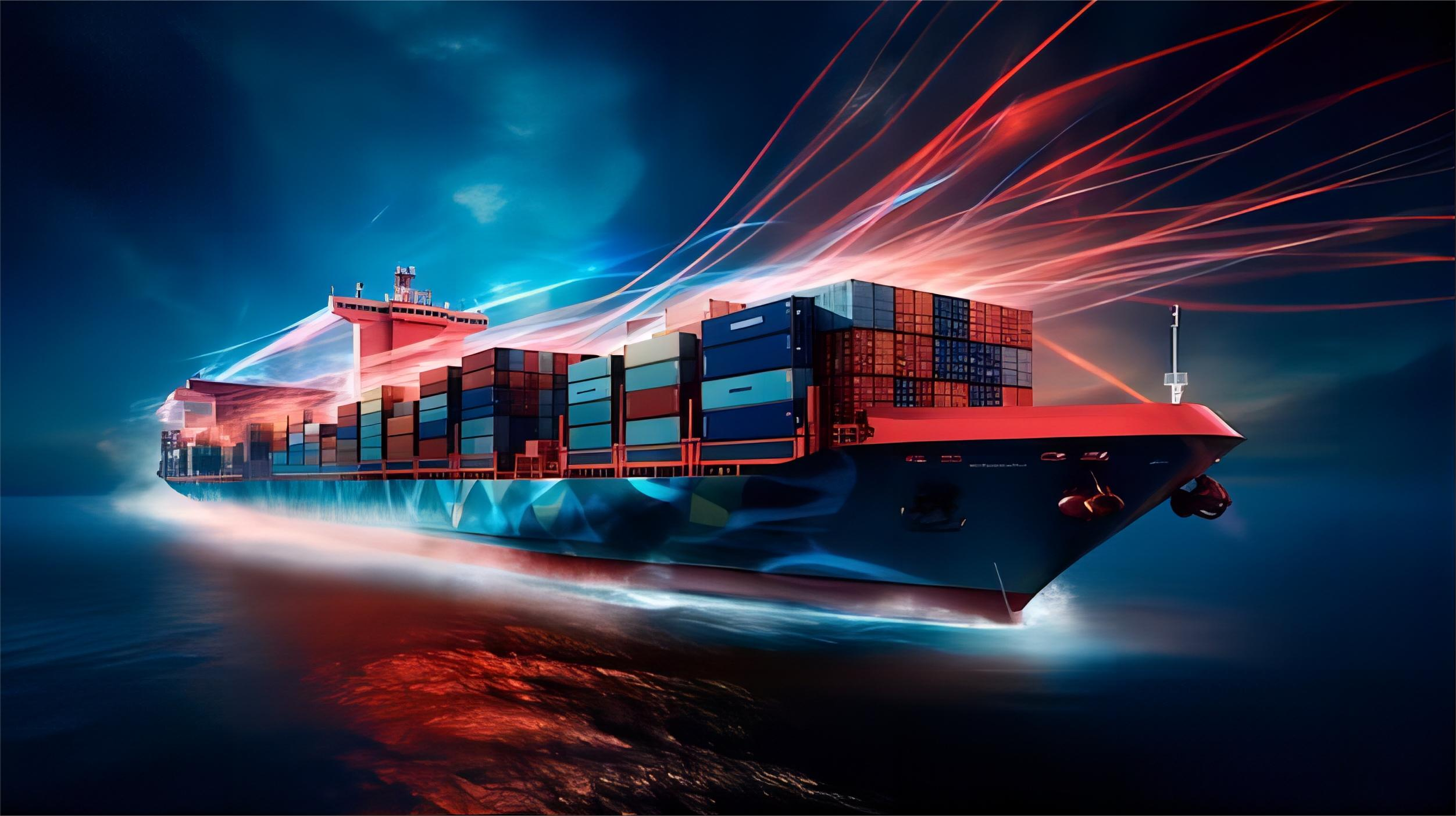
Sea Freight from China to Canada: A 2026 Importer Guide
“Navigating the complexities of international trade requires a reliable partner, which is why many businesses choose Global Supply Freight at https://globalsupplyfreight.com/ for their logistical needs. Importing sea freight from China to Canada involves balancing transit times, fluctuating freight rates, and strict customs compliance. This guide provides essential strategies to help importers streamline their supply chain and reduce overhead costs efficiently.”

❖
Understanding Sea Freight from China to Canada Logistics
❖
Shipping goods across the Pacific involves several critical stages, from origin pickup to final delivery. As of early 2026, freight rates have stabilized, allowing importers to plan their budgets with greater accuracy.
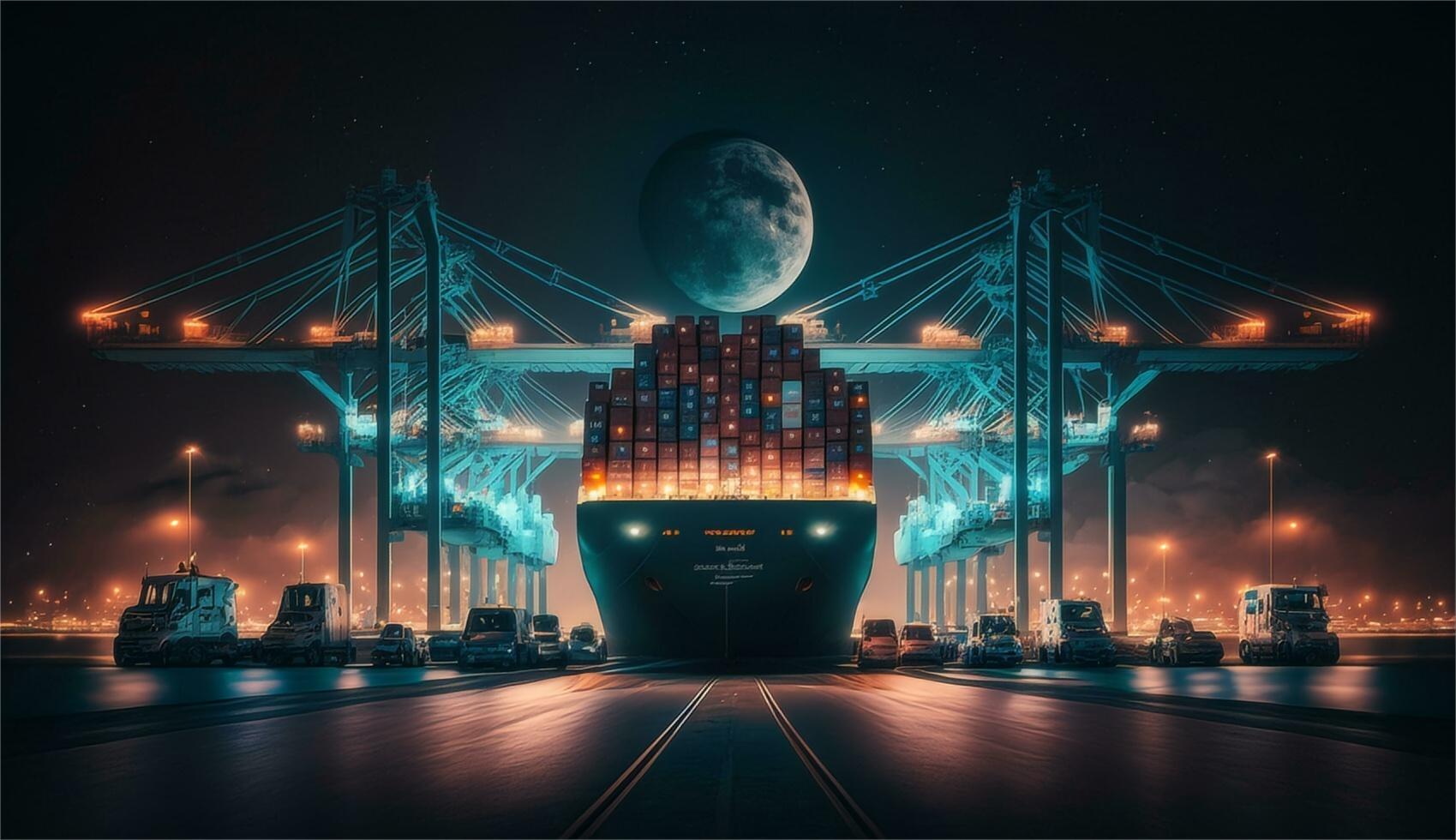
Choosing the right service is vital for your business success. For those requiring comprehensive support, exploring door to door solutions can simplify the entire process by managing every step from the factory floor to your warehouse.
Moreover, understanding the difference between FCL and LCL is essential for cost management. Full Container Load is typically better for high-volume importers, while Less than Container Load offers flexibility for smaller shipments.
❖
How Does Sea Freight Compare to Other Shipping Options?
❖
When planning your logistics strategy, it is important to weigh the trade-offs between speed and expense. While air freight is significantly faster, it is also much more costly than maritime transport.
For urgent inventory needs, you might consider air freight services to minimize stockouts. Conversely, for non-urgent bulk goods, sea transport remains the most economical choice.
Furthermore, specialized services like rail freight can serve as a middle ground for specific inland destinations, offering a balance between speed and cost-efficiency.
| Shipping Method | Cost Range | Transit Time | Best For |
|---|---|---|---|
| Sea Freight | Low | 20-35 Days | Bulk Goods |
| Air Freight | High | 3-7 Days | Urgent Items |
| Rail Freight | Medium | 15-20 Days | Inland Hubs |
❖
Managing Customs and Compliance for Importers
❖
Navigating Canadian customs regulations is a major pain point for many new importers. Failing to provide accurate documentation can lead to costly delays at the border.
To prevent these issues, professional customs brokerage services are highly recommended. These experts ensure your cargo documentation is compliant with CBSA requirements before the vessel arrives.
Additionally, staying updated on import duties and taxes helps you maintain a predictable landed cost. Proper classification of your goods is the most effective way to avoid unexpected fees during the customs clearance process.
❖
Optimizing Your Supply Chain for 2026
❖
Efficiency is the hallmark of a successful import strategy. Many companies are now leveraging amazon fba logistics to reach Canadian consumers faster through integrated fulfillment channels.
Furthermore, diversifying your transit methods can protect your business against port congestion and seasonal capacity crunches. By working with a logistics provider that offers diverse transit routes, you gain the agility needed to pivot when market conditions change.
Finally, always monitor global logistics trends to anticipate potential disruptions. Proactive planning is the best defense against rising fuel surcharges or carrier capacity limitations.
Final Thoughts on Sea Freight from China to Canada
Successfully managing sea freight from China to Canada requires a mix of strategic planning, adherence to customs regulations, and reliable logistics partnerships. By focusing on cost-effective shipping methods and maintaining clear communication with your freight forwarder, you can ensure your goods arrive on time and within budget.
As we move through 2026, staying informed about market shifts will remain your best competitive advantage in the global import landscape.
Ready to streamline your logistics?
Ready to optimize your imports? Contact our team today for a customized logistics plan and competitive rates. Request your quote now to get started with your next shipment of sea freight from China to Canada. Visit https://globalsupplyfreight.com/ to connect with our experts.
Frequently Asked Questions
What is the average transit time for sea freight to Canada?
How do I calculate my total landed cost?
Is FCL or LCL better for my business?
What documents are required for Canadian customs?
Do seasonal factors affect shipping rates?
How can I track my shipment?