

Commercial Cargo Shipping for Wholesale Businesses: A 2026 Guide
Navigating commercial cargo shipping for wholesale businesses is essential for maintaining healthy profit margins in 2026. Whether you are scaling your inventory or entering new markets, choosing the right logistics partner is critical for long-term growth. Visit Global Supply Freight at https://globalsupplyfreight.com/ to discover how our tailored solutions support your wholesale operations.

Understanding Commercial Cargo Shipping for Wholesale Businesses
Commercial cargo shipping involves the movement of high-volume goods from manufacturers to wholesalers or retailers. Efficient logistics require a deep understanding of international freight regulations, customs requirements, and transit timelines. By consolidating shipments, businesses can significantly lower their landed costs.
Furthermore, selecting the appropriate freight mode is vital for balancing speed and budget. Many wholesalers now leverage sea freight for bulk inventory, reserving faster methods for time-sensitive product launches. Consequently, your choice of carrier directly impacts your ability to meet market demand effectively.
How Does Sea Freight Compare to Other Shipping Options?
Comparing shipping methods requires an objective analysis of cost, speed, and volume. While sea freight remains the gold standard for heavy wholesale goods, air and rail options offer distinct advantages for specific product categories. For instance, high-value electronics often require the speed of air freight to minimize inventory holding costs.
Additionally, rail freight serves as a strategic middle ground for shipments between Asia and Europe. This hybrid approach provides faster transit than ocean vessels while remaining more cost-effective than air travel. Always evaluate your specific requirements against the following data points.
Note: Freight rates are subject to change based on fuel costs, carrier capacity, and seasonal demand. Contact us for a current quote tailored to your specific shipment.
| Method | Cost | Transit Time | Best For |
|---|---|---|---|
| Sea | Low | 25-40 Days | Bulk Inventory |
| Air | High | 3-7 Days | Urgent/High Value |
| Rail | Medium | 15-20 Days | Standard Cargo |
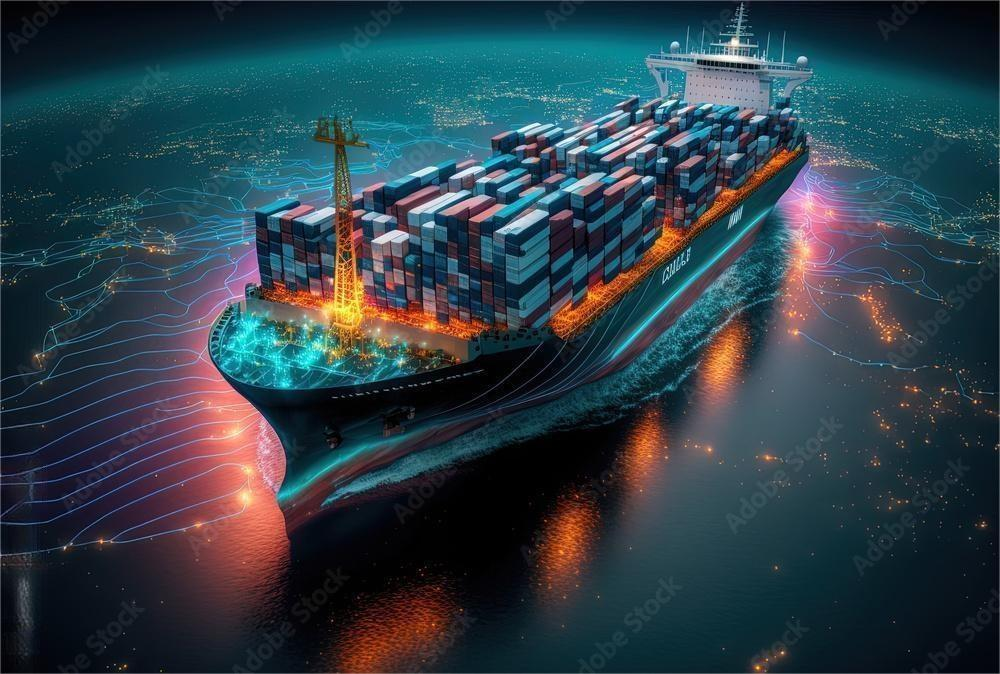
Optimizing Your Supply Chain Logistics
Strategic logistics management involves more than just booking space on a vessel. Integrating Amazon FBA services can streamline your inventory flow directly into fulfillment centers. Moreover, professional customs brokerage ensures that your goods avoid costly delays at the border.
In addition to these services, choosing a door to door shipping solution reduces the complexity of managing multiple freight forwarders. This end-to-end management approach allows you to focus on sales rather than paperwork. Ultimately, a cohesive strategy minimizes risk and maximizes operational efficiency.
Mastering Commercial Cargo Shipping for Wholesale Businesses
To summarize, success in commercial cargo shipping for wholesale businesses depends on proactive planning and reliable partnerships. By balancing transit times with freight rates, you can maintain a competitive edge in an increasingly globalized market.
Indeed, the right logistics strategy is an investment in your business scalability. Stay informed on current shipping trends and continue optimizing your supply chain to ensure long-term profitability.
Start Your Shipment
Ready to streamline your wholesale logistics? Contact our expert team today to receive a customized shipping quote tailored to your business needs . Visit https://globalsupplyfreight.com/ to start your inquiry.
Request Quote