

Import Logistics for Distributors in North America: 2026 Guide
Effective import logistics for distributors in North America requires a strategic approach to navigate complex global supply chains. At Global Supply Freight, we specialize in streamlining these processes to ensure your inventory arrives on time and within budget. Visit https://globalsupplyfreight.com/ to learn how our comprehensive solutions can transform your distribution strategy.

Understanding Import Logistics for Distributors in North America
Distributors operating in North America face unique challenges ranging from port congestion to evolving trade regulations. Consequently, mastering your logistics flow is essential to maintaining competitive pricing and high service levels.
Furthermore, choosing the right partner allows you to focus on sales while experts manage the movement of goods. Whether you are managing seasonal spikes or consistent inventory replenishment, logistics efficiency remains the cornerstone of profitability.
Comparing Shipping Methods for Your Cargo
Selecting the optimal shipping method depends on your specific volume, budget, and urgency. For large, non-urgent shipments, sea freight remains the most cost-effective solution for North American distributors.
On the other hand, urgent inventory needs often require the speed of air freight. Additionally, for specialized inland routes, rail freight provides a balanced alternative to long-haul trucking.
| Method | Cost | Transit Time | Best For |
|---|---|---|---|
| Sea Freight | Low | 30-40 Days | Bulk Inventory |
| Air Freight | High | 5-7 Days | Urgent/High Value |
| Rail Freight | Moderate | 15-20 Days | Inland Distribution |
How Does Sea Freight Compare to Other Shipping Options?
Sea freight is the industry standard for high-volume imports, yet it requires significant lead time planning. In contrast, air freight offers unmatched speed at a much higher price point, making it suitable only for high-margin products.
Moreover, door to door services can simplify the entire process by handling all transport legs. For e-commerce sellers, integrating Amazon FBA logistics directly into your import strategy can further reduce handling times.
Navigating Customs and Compliance
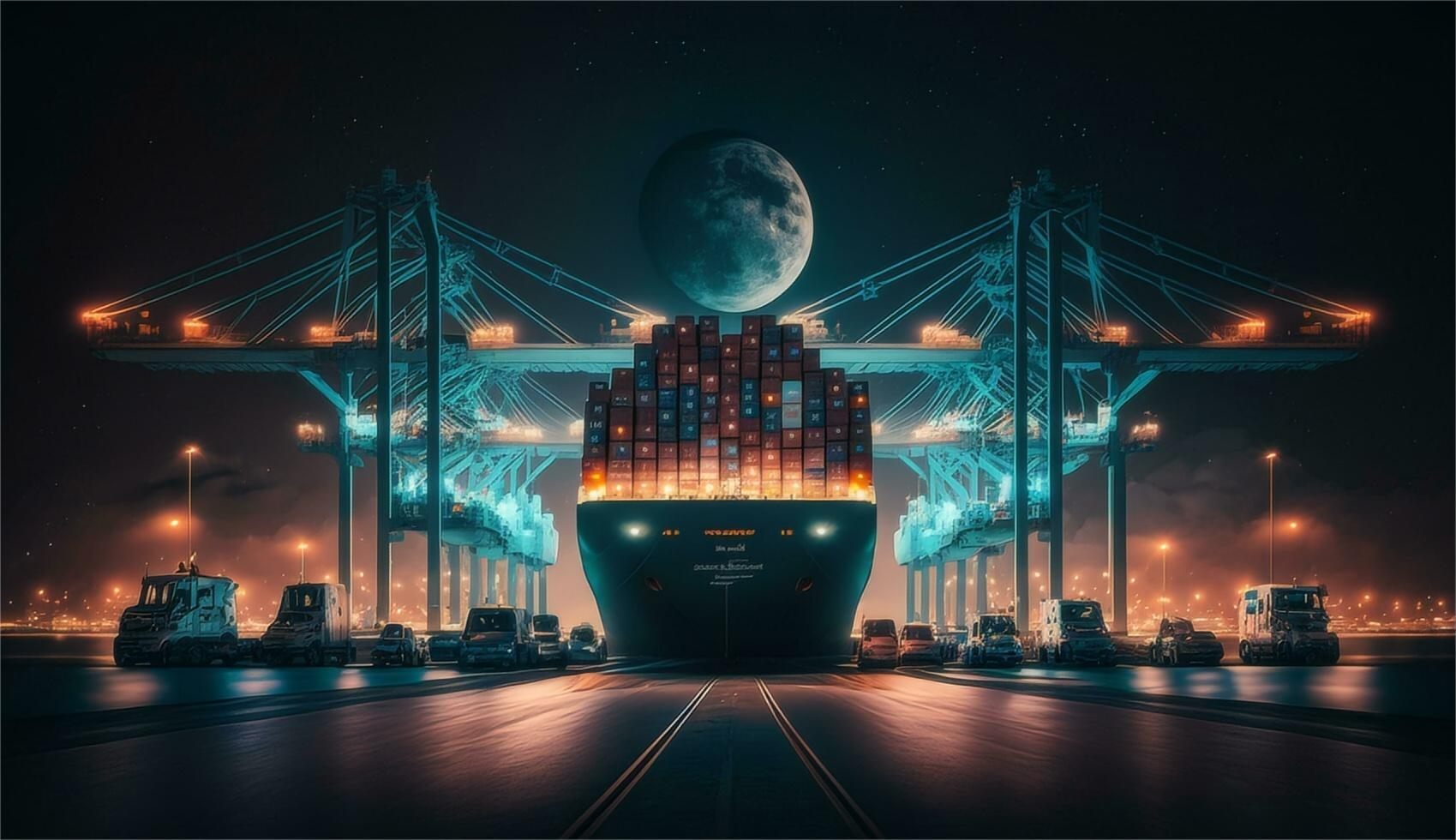
Importing goods into North America necessitates strict adherence to customs regulations. Partnering with a professional customs brokerage ensures that your documentation is accurate and compliant with local laws.
In addition, having a clear understanding of duties and taxes prevents unexpected costs at the port of entry. Indeed, proactive compliance is the best way to avoid costly delays and storage fees.
Streamlining Your Future Success
To summarize, success in the competitive North American market relies on robust import logistics for distributors in North America. By leveraging the right transport modes and compliance support, you can significantly enhance your operational efficiency.
Finally, stay ahead of market trends by regularly reviewing your logistics partners and strategies. We are here to support your growth through reliable and efficient freight solutions.
Start Your Shipment
Are you ready to optimize your supply chain? Contact our team today for a custom quote on your next shipment and experience seamless import logistics for distributors in North America. Visit https://globalsupplyfreight.com/ to get started.
Request Quote