

Customs Clearance China Poland: The Ultimate Guide for Importers
Navigating the complexities of customs clearance china poland is a vital requirement for any business looking to expand its reach within the European market. By partnering with Global Supply Freight, you can ensure that your cargo moves across international borders without unnecessary delays or hidden administrative costs. This comprehensive guide provides the essential knowledge you need to manage documentation, understand tax obligations, and choose the most efficient logistics routes available today.

What is the Process for Customs Clearance China Poland?
Every successful importation starts with securing a valid Economic Operators Registration and Identification number, commonly known as an EORI number. Furthermore, you must ensure that your business is fully registered for VAT within the Polish tax system to avoid immediate cargo detention. Utilizing a professional customs brokerage service can significantly streamline this phase by handling the electronic submission of the Single Administrative Document.
Indeed, the Polish customs authorities demand precise data regarding the origin, value, and classification of all incoming goods. Consequently, any discrepancy between your physical cargo and the digital declaration can lead to intensive inspections and additional storage fees at the terminal. Importers should also be aware that specific product categories, such as electronics or chemicals, might require additional safety certifications or environmental permits before they can enter the country.
Compliance remains the cornerstone of modern international trade between Asian manufacturing hubs and Central European markets. Therefore, maintaining a clear audit trail of all transactions and communications with your supplier is highly recommended. By establishing a robust internal process for verifying HS codes, you can prevent the most common causes of customs delays and ensure a predictable delivery schedule for your customers.
How Does Rail Freight Compare to Other Shipping Options?
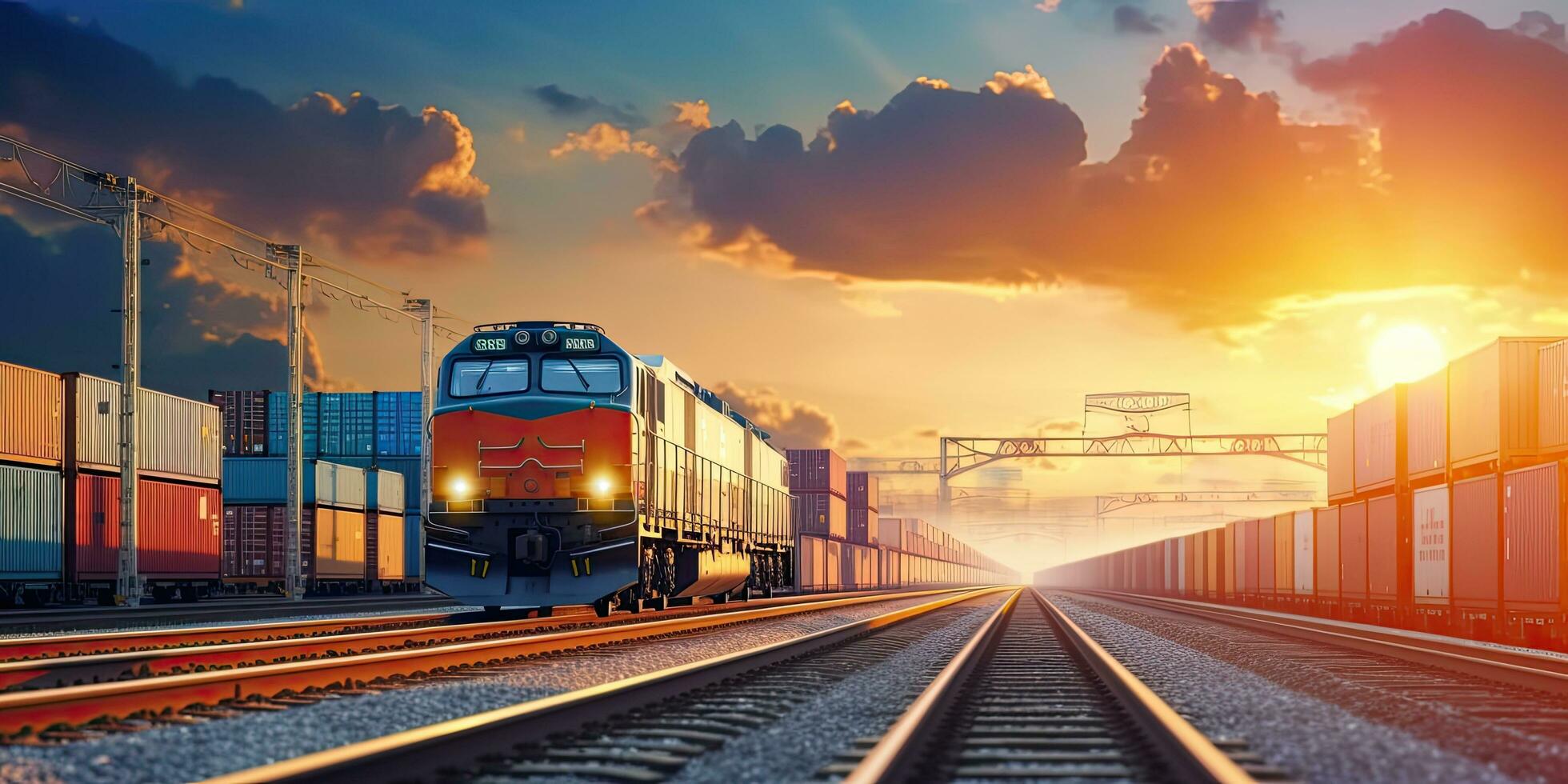
Choosing the right transport mode is a strategic decision that directly impacts your supply chain efficiency and overall profitability. Historically, rail freight has emerged as the most popular choice for shipments traveling from China to Poland due to the direct connections provided by the New Silk Road. Moreover, the transit time via rail is significantly shorter than sea freight while remaining much more affordable than air transport.
Specifically, the rail terminal at Malaszewicze serves as the primary gateway for Chinese goods entering the European Union. In addition, the stability of rail schedules makes it an ideal solution for businesses that need to maintain consistent inventory levels without the high costs of express shipping. However, during peak seasons, terminal congestion can occasionally add a few days to the total transit time, requiring proactive planning from your logistics partner.
For those prioritizing cost over speed, sea freight to the port of Gdansk remains the standard for bulk commodities and large industrial equipment. In contrast, air freight is reserved for high-value electronics or urgent medical supplies that must reach Warsaw within a few days. The following table provides a clear comparison of these methods to help you make an informed decision based on current market trends.
| Shipping Method | Cost Range (USD) | Transit Time | Best For |
|---|---|---|---|
| Sea Freight (FCL) | $2,000 to $4,200 | 30 to 45 Days | Bulk items and low-value goods |
| Rail Freight | $2,500 to $5,800 | 15 to 22 Days | Mid-range electronics and textiles |
| Air Freight | $5,000 to $15,000 | 3 to 7 Days | Urgent or high-value inventory |
Essential Documentation for Importing to Poland
Preparing the correct paperwork is the most vital step in the entire customs clearance china poland process. Documentation errors are the primary reason for cargo seizures and expensive fines imposed by the Polish National Revenue Administration. For example, the commercial invoice must clearly state the Incoterms, the currency of the transaction, and a detailed description of the goods to allow for accurate customs valuation.
Additionally, the packing list must correspond exactly to the physical contents of your containers to facilitate smooth inspections. Meanwhile, the Bill of Lading or the Rail Waybill acts as the contract of carriage and the document of title for your shipment. Failure to provide these documents in a timely manner will result in your goods being held at the border, incurring daily demurrage and detention charges that can quickly erode your margins.
Importers should also verify if a Certificate of Origin is required to benefit from specific trade agreements or to comply with anti-dumping regulations. Furthermore, if you are importing branded products, you must have the necessary authorization from the trademark owner to avoid issues with intellectual property laws. Keeping a digital archive of all these documents is a best practice that simplifies future audits and ensures long-term compliance with European Union regulations.
| Document Name | Purpose | Mandatory | Typical Issuer |
|---|---|---|---|
| Commercial Invoice | Valuation and Duty Calculation | Yes | Seller/Exporter |
| Packing List | Cargo Verification | Yes | Seller/Exporter |
| Bill of Lading | Title and Carriage Contract | Yes | Carrier/Freight Forwarder |
| SAD Document | Customs Declaration | Yes | Customs Broker |
Understanding Import Taxes and VAT in Poland
Calculating the total landed cost of your products requires a precise understanding of the Polish tax landscape. As a member of the European Union, Poland applies a Common External Tariff to goods arriving from non-EU countries like China. Consequently, you must identify the correct HS code for your products to determine the applicable duty rate, which can range from zero to over fifteen percent depending on the item category.
In addition to customs duties, most imports into Europe through Polish gateways are subject to a standard Value Added Tax rate of 23 percent. Indeed, this VAT is typically calculated based on the customs value of the goods plus the duty paid and any transportation costs to the first place of destination. Nevertheless, certain businesses may qualify for VAT deferment schemes under Article 33a, which can significantly improve cash flow by allowing for VAT settlement in the tax return instead of at the border.
Accordingly, you should consult with a tax advisor or an experienced freight forwarder to explore all available cost-saving opportunities. Meanwhile, be aware that specific goods like alcohol, tobacco, or energy products may also attract excise duties. Understanding these financial obligations beforehand ensures that you can price your products competitively in the local market while remaining fully compliant with all legal requirements.
Which Shipping Option Should You Choose?
Deciding on the best logistics strategy involves a careful analysis of your budget, delivery deadlines, and the nature of your cargo. If your primary goal is to minimize expenses for large volumes of non-perishable goods, then sea freight is undoubtedly the most logical choice. However, you must account for the longer lead times and potential maritime delays when planning your inventory replenishment cycles.
On the other hand, rail freight offers a compelling alternative for businesses that need to balance speed and cost. This method is particularly effective for high-tech components or seasonal fashion items that need to reach the market faster than sea transport allows. To illustrate, a rail shipment from Xi’an to Warsaw can arrive in less than three weeks, providing a significant competitive advantage over competitors relying solely on ocean carriers.
Ultimately, the volume of your shipment will also dictate whether you choose Full Container Load or Less than Container Load services. For smaller shipments under 15 cubic meters, LCL shipping allows you to share container space and costs with other importers. Conversely, FCL shipping provides greater security and faster handling for larger consignments that can fill a standard 20-foot or 40-foot container.
Real-World Case Studies for China to Poland Shipping
Reviewing actual shipping scenarios can provide valuable insights into the practical challenges and costs associated with customs clearance china poland. The following examples represent typical shipments handled during the Q3 2024 to Q1 2025 period, reflecting current market rates and transit behaviors. These cases demonstrate how different transport modes and cargo types affect the final timeline and landed cost for Polish importers.
Case Study 1: Electronics Rail Shipment +———————————————————+ | Route: Shenzhen, China to Warsaw, Poland | | Cargo: Consumer Electronics, 5 CBM, 1200 kg | | Container: LCL 5 CBM | | | | Shipping Details: | | – Carrier/Service: Major rail carrier | | – Port of Loading: Shenzhen Terminal | | – Port of Discharge: Malaszewicze Terminal | | – Route Type: Direct Rail | | | | Cost Breakdown: | | – Rail Freight: $2,150 | | – Origin Charges: $150 | | – Destination Charges: $220 | | – Customs and Duties: $480 | | – Total Landed Cost: $3,000 | | | | Timeline: | | – Booking to Loading: 4 days | | – Rail Transit: 17 days | | – Customs Clearance: 2 days | | – Total Door-to-Door: 23 days | | | | Key Insight: Rail saved 18 days vs sea routes. | +———————————————————+
Case Study 2: Industrial Machinery Sea Freight +———————————————————+ | Route: Ningbo, China to Gdansk, Poland | | Cargo: Factory Equipment, 28 CBM, 8500 kg | | Container: 20GP Full Container | | | | Shipping Details: | | – Carrier/Service: COSCO Shipping | | – Port of Loading: Ningbo Port | | – Port of Discharge: Gdansk Port | | – Route Type: Direct Sea via Suez | | | | Cost Breakdown: | | – Ocean Freight: $2,400 | | – Origin Charges: $300 | | – Destination Charges: $350 | | – Customs and Duties: $950 | | – Total Landed Cost: $4,000 | | | | Timeline: | | – Booking to Loading: 6 days | | – Sea Transit: 36 days | | – Customs Clearance: 3 days | | – Total Door-to-Door: 45 days | | | | Key Insight: FCL provided the lowest cost per unit. | +———————————————————+
Note: Freight rates are subject to change based on fuel costs, carrier capacity, and seasonal demand. Contact us for a current quote tailored to your specific shipment.
Strategies for Reducing Customs Delays
Reducing the time your cargo spends in customs is essential for maintaining a lean and responsive supply chain. Many experienced importers utilize door to door services to ensure that a single provider manages every link in the logistics chain. Furthermore, providing your customs broker with high-quality digital copies of all documents at least one week before the cargo arrives can facilitate pre-clearance procedures.
Accordingly, you should always double-check the accuracy of your HS codes against the latest European Union Integrated Tariff database. Inaccurate classification is a frequent cause of inspections and can lead to the retroactive application of higher duty rates. Similarly, ensuring that all wooden packaging materials are properly treated and marked according to ISPM 15 standards will prevent delays related to phytosanitary inspections at the Polish border.
Moreover, establishing a good relationship with your logistics provider allows for better communication during unexpected events like port strikes or technical system outages. By being proactive and transparent with customs authorities, you can build a reputation as a low-risk importer. This status can eventually lead to fewer physical inspections and faster processing times for all your future shipments from China to the Polish market.
Common Pitfalls to Avoid During Importation
Avoiding common mistakes during the customs clearance china poland process can save your business thousands of dollars in unnecessary fees. One of the most frequent errors is the undervaluation of goods on the commercial invoice to reduce duty payments. However, Polish customs officers use sophisticated databases to verify market values, and intentional undervaluation can result in severe legal penalties and the permanent blacklisting of your EORI number.
Inaccurate description of goods is another pitfall that often leads to cargo holds and laboratory testing. For instance, simply labeling a shipment as ‘electronics’ is insufficient; you must specify the exact type, model, and technical specifications of the products. Finally, failing to account for seasonal peaks like the Chinese New Year or the Golden Week holiday can disrupt your entire delivery schedule. Therefore, always build a buffer of at least ten days into your planning during these busy periods to ensure your goods arrive when needed.
Final Thoughts on Polish Customs Procedures
Mastering the intricacies of customs clearance china poland is a fundamental skill for any successful importer in the modern global economy. Throughout this guide, we have explored the essential documentation, tax requirements, and shipping methods that define the trade route between these two nations. By focusing on compliance and choosing the right logistics partners, you can overcome the challenges of cross-border trade and focus on expanding your market presence.
Furthermore, staying informed about changing regulations and market trends will allow you to adapt your strategy and maintain a competitive edge. Whether you choose the speed of rail or the economy of sea, the key to success lies in meticulous preparation and clear communication. We hope this guide serves as a valuable resource for your future shipping endeavors and helps you navigate the Polish customs landscape with confidence.
Ready to streamline your logistics?
Streamline your international trade today by choosing a partner who understands every detail of customs clearance china poland. Our team provides expert guidance and reliable logistics solutions to ensure your cargo reaches its destination on time and within budget. Contact Global Supply Freight now for a personalized quote and professional support for your next shipment.
Request Quote