

Drayage Trucking From Port to Distribution Center: A 2026 Guide
Drayage trucking from port to distribution center remains the most critical link in your international supply chain. At Global Supply Freight, we specialize in seamless logistics solutions found at https://globalsupplyfreight.com/ to ensure your cargo moves efficiently from the terminal to your warehouse. Without effective drayage management, businesses often face unnecessary delays and soaring detention fees.

Understanding Drayage Trucking From Port to Distribution Center
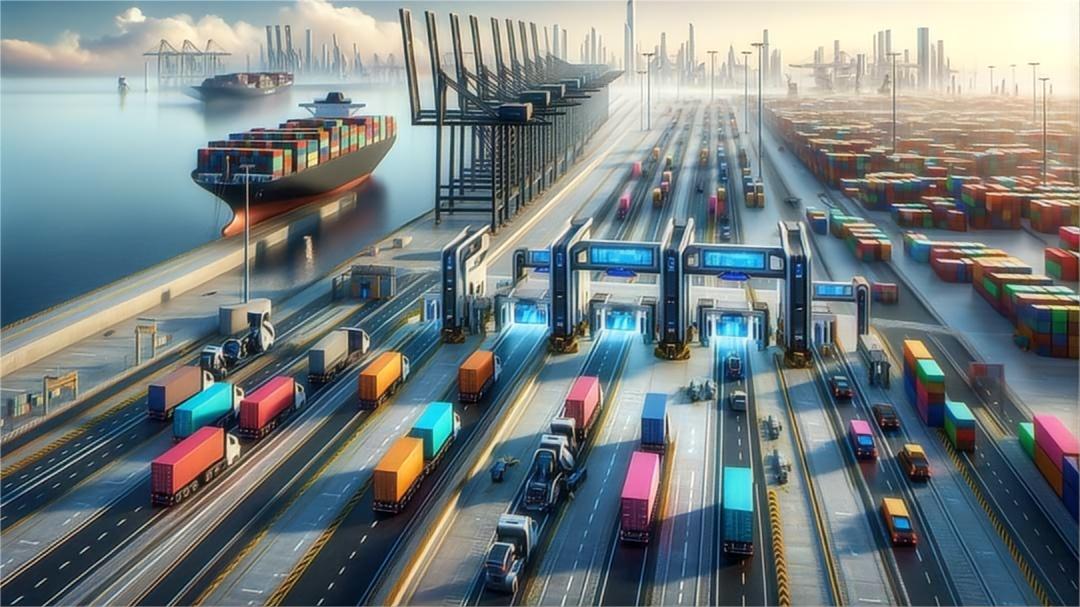
Drayage refers to the short-distance transport of containerized cargo, typically between a port and a nearby distribution center. This movement is often the most time-sensitive phase of the import process.
Effective drayage requires precise coordination between terminal operators and motor carriers. If you are shipping goods, you should explore our door to door services to streamline this process.
Key Factors Influencing Drayage Costs
Fuel surcharges, chassis availability, and port congestion play massive roles in pricing. Moreover, peak season demand can drive up costs by 20% or more.
To manage your budget, consider utilizing sea freight in combination with reliable drayage partners. Planning ahead allows you to avoid costly last-minute storage fees at the terminal.
| Factor | Impact | Mitigation |
|---|---|---|
| Fuel Surcharges | High | Fixed-rate contracts |
| Port Congestion | Critical | Pre-booking slots |
| Chassis Shortage | Medium | Early carrier notice |
How Does Drayage Compare to Other Shipping Options?
While drayage is essential for port-to-warehouse transport, other methods like rail freight offer better long-haul value. However, rail often requires a final drayage leg to reach your facility.
For urgent inventory needs, you might evaluate our express service options. Always compare transit times versus total landed costs when selecting your primary mode of transport.
| Method | Best For | Cost Level |
|---|---|---|
| Drayage | Short haul | Moderate |
| Rail | Long haul | Low |
| Air | Urgent | High |
Optimizing Your Supply Chain Strategy
Integrating your customs brokerage with your drayage provider eliminates communication gaps. Consequently, your goods clear customs and move to the distribution center without redundant delays.
Furthermore, businesses importing from North America or other global hubs should maintain flexible delivery schedules. Adapting to current logistics trends is the hallmark of a resilient supply chain.
Summary of Drayage Success
Mastering drayage trucking from port to distribution center is essential for maintaining a competitive edge in 2026. By prioritizing communication and choosing the right logistics partner, you minimize risks and maximize speed.
Reliability in your final-mile transit ensures that your stock reaches customers on time, every time.
Need a tailored shipping solution?
Are you ready to optimize your drayage trucking from port to distribution center? Contact the team at Global Supply Freight today to request a custom quote and secure your capacity.
Frequently Asked Questions
What is the standard time for port drayage?
How can I reduce drayage costs?
Do I need insurance for drayage?
What causes drayage delays?
What is the difference between drayage and trucking?
Are rates fixed for port drayage?