

Factory to Warehouse Delivery North America: A 2026 Logistics Guide
Managing efficient factory to warehouse delivery in North America requires strategic planning and reliable logistics partners. At Global Supply Freight, we specialize in seamless transport solutions that connect your production lines directly to your distribution network. Visit our homepage at https://globalsupplyfreight.com/ to explore how we streamline international trade for businesses of all sizes.

Understanding Factory to Warehouse Delivery North America Logistics
Successful transit from manufacturing hubs to North American warehouses involves complex coordination. You must balance speed, cost, and safety to maintain optimal inventory levels.
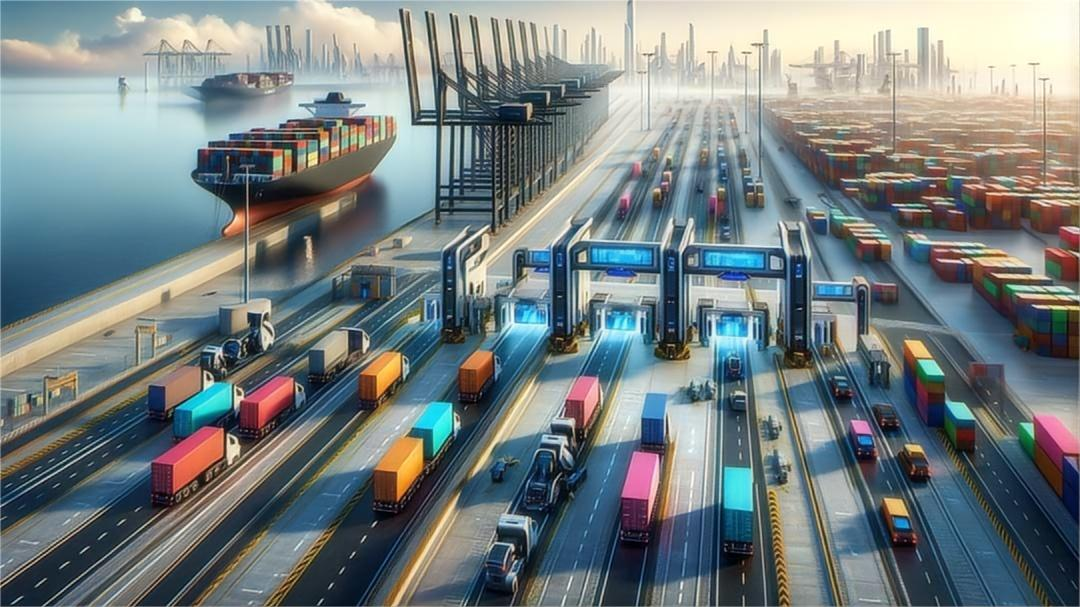
Furthermore, choosing the right shipping partner significantly impacts your overall overhead. Many businesses rely on our door to door services to eliminate middle-man delays and simplify the import process.
How Does Freight Method Compare for Your Supply Chain?
Selecting the appropriate transport mode depends on your cargo volume and delivery schedule. While sea freight offers cost efficiency for bulk items, air freight provides rapid results for urgent stock replenishment.
Additionally, businesses often utilize sea freight for standard stock rotations to keep margins healthy. In contrast, if you face strict deadlines, our express service ensures your products bypass standard bottlenecks.
| Method | Cost | Transit Time | Best For |
|---|---|---|---|
| Sea Freight | Low | 25-45 Days | Bulk Inventory |
| Air Freight | High | 3-7 Days | Urgent Stock |
| Rail Freight | Medium | 15-25 Days | Heavy Cargo |
Optimizing Customs and Compliance
Navigating customs regulations is a critical phase in the supply chain. Errors in documentation often result in costly storage fees or shipment seizures at the border.
To prevent such issues, we provide professional customs brokerage support. Consequently, your goods clear inspection faster, allowing for a smoother transition from the port to your final warehouse destination.
Real Case Studies in Modern Logistics
Case Study 1: Electronics Distribution. Route: Shenzhen to Los Angeles. Cargo: 50 CBM of consumer electronics. Method: Sea Freight. Total Landed Cost: $4,500. Transit Time: 22 days. Insight: Early booking during Q3 helped avoid peak season surcharges.
Case Study 2: Automotive Parts. Route: Shanghai to Chicago. Cargo: 10 CBM of high-value components. Method: Air Freight. Total Landed Cost: $12,000. Transit Time: 5 days. Insight: Expedited shipping justified the cost by preventing a factory line stoppage.
Strategic Planning for North American Markets
When planning your logistics, consider geographic proximity to your main consumer base. Many companies now use amazon fba integration to reduce local delivery times once products arrive in North America.
Moreover, maintaining a flexible supply chain is essential for adapting to market volatility in 2026. By diversifying your freight methods, you effectively mitigate risks associated with port congestion or seasonal surges.
Summary of Efficient Logistics Strategies
Effective factory to warehouse delivery in North America relies on choosing the right freight partner and transport mode. By prioritizing reliability and clear communication, your business can maintain a competitive edge in a fast-paced market.
In summary, proactive planning and strategic use of shipping services ensure your goods reach their destination on time and within budget. Reach out today to discuss your specific shipping requirements.
Start Your Shipment
Ready to optimize your supply chain? Contact our logistics experts today to get a custom quote for your factory to warehouse delivery. Visit our website to start your inquiry and streamline your operations with Global Supply Freight.
Request Quote