
How Much Does Importing Machinery From China Into Portugal Freight Process Cost
“Calculating how much does importing machinery from China into Portugal freight process requires a deep understanding of logistics variables and current market trends. Navigating the complexities of international trade is essential for businesses looking to optimize their supply chain and reduce overhead. At Global Supply Freight, we specialize in streamlining these operations to ensure your industrial equipment arrives safely and on schedule. Consequently, this guide provides a comprehensive breakdown of the costs, timelines, and regulatory requirements for 2026.”
What Factors Determine How Much Does Importing Machinery From China Into Portugal Freight Process Cost?
❖Several key variables influence the final price of moving heavy equipment across the globe in 2026. Primarily, the dimensions and weight of the machinery dictate whether you require standard containers or specialized flat-rack equipment.
Fuel surcharges and seasonal demand also play a significant role in price fluctuations throughout the year. For instance, rates typically rise during the third quarter as businesses prepare for year-end production cycles.
Moreover, the choice of departure port in China, such as Ningbo or Shenzhen, can impact the local handling fees. Choosing a port closer to your manufacturer often reduces inland trucking costs significantly.
Consequently, importers must account for terminal handling charges and documentation fees at both the origin and destination. These administrative costs are often overlooked but can add several hundred dollars to the total invoice.
Impact of Incoterms on Shipping Expenses
Understanding Incoterms like FOB or EXW is vital for determining who pays for each leg of the journey. Under FOB terms, the seller handles costs until the cargo is on the ship, while EXW places the entire burden on the buyer.
Additionally, choosing the right Incoterm can help you better manage the overall freight process. Most experienced importers prefer DAP or DDP to simplify the logistics chain and avoid unexpected local charges.
Comparing Sea Freight and Air Freight for Machinery Shipments
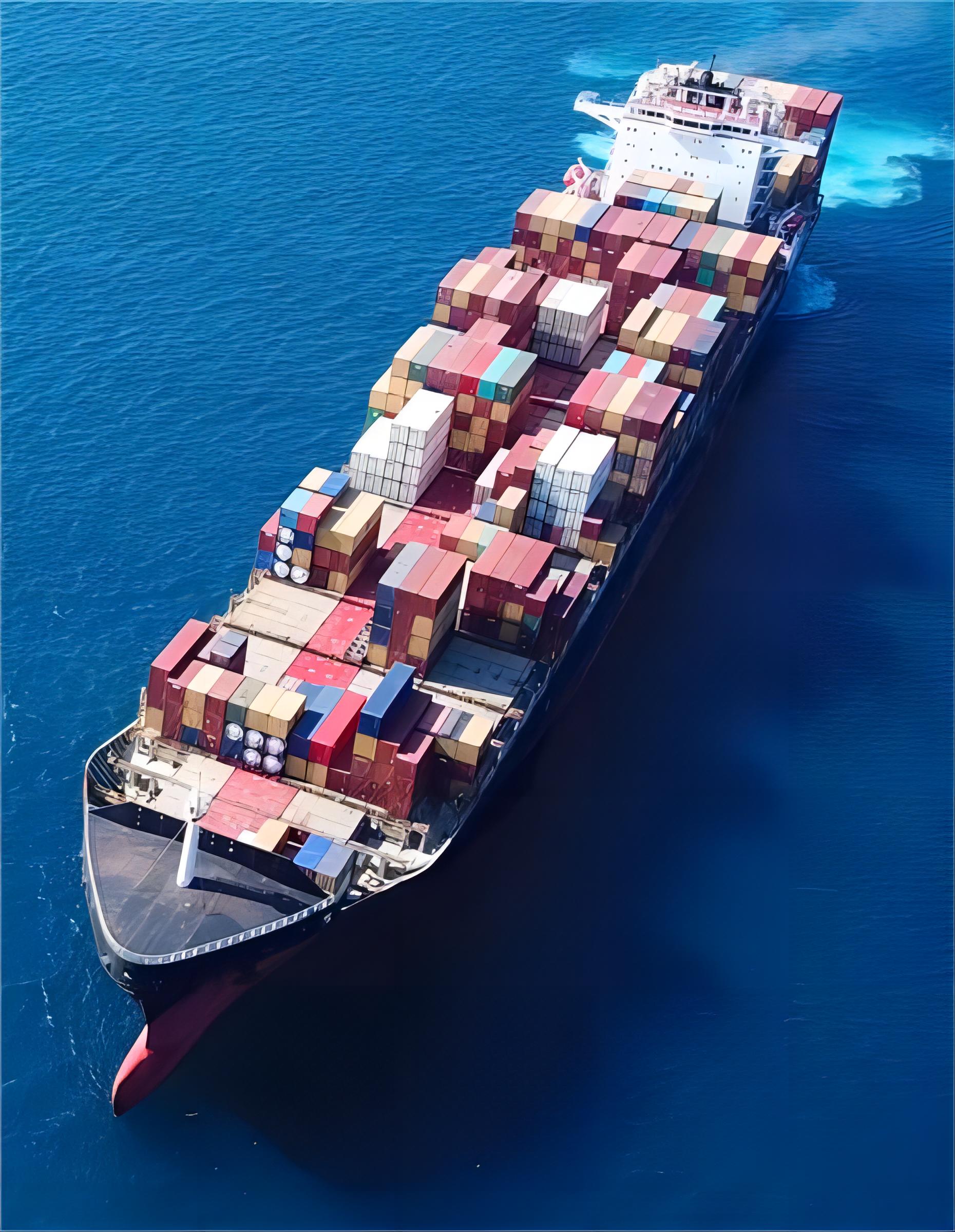
❖When evaluating sea freight, cost efficiency is the primary advantage for large-scale industrial machinery. Most heavy equipment is moved via Full Container Load (FCL) to ensure maximum safety and lower per-unit costs.
In contrast, air freight offers unparalleled speed for urgent spare parts or smaller precision tools. While significantly more expensive, the reduced transit time can prevent costly production halts in Portuguese factories.
Furthermore, sea freight transit times from China to Portugal generally range from 30 to 40 days. This requires meticulous planning to ensure that the delivery schedule aligns with your installation timelines.
Market data from early 2026 suggests that sea freight remains the dominant choice for over 90 percent of machinery imports. However, the rise of hybrid logistics solutions is providing new alternatives for savvy supply chain managers.
| Feature | Sea Freight (FCL) | Air Freight | Rail Freight |
|---|---|---|---|
| Avg. Cost (40HQ/kg) | $3,200 – $4,500 | $4.50 – $7.50/kg | $2,800 – $3,800 |
| Transit Time | 32 – 42 Days | 5 – 9 Days | 22 – 28 Days |
| Capacity | Very High | Limited | High |
| Reliability | Moderate | Very High | High |
How Does Sea Freight Compare to Other Shipping Options?
❖Analyzing all available routes is crucial for determining how much does importing machinery from China into Portugal freight process will ultimately cost. While sea freight is the traditional backbone, rail freight via the Silk Road has become a viable middle-ground option.
Rail transport offers a faster alternative to sea without the extreme premiums associated with air cargo. It typically services northern Chinese hubs and connects to European rail networks, though Portuguese destinations may require final-mile trucking from central European terminals.
Additionally, many companies are now exploring sea-air combined services to balance budget and speed. This strategy involves shipping by sea to a hub like Dubai and then flying the cargo to Lisbon or Porto.
Nevertheless, the Port of Sines and the Port of Leixoes remain the most cost-effective entry points for machinery. Direct sea routes avoid the complexities of transloading and multiple customs jurisdictions.
| Shipping Method | Cost Range | Transit Time | Best For |
|---|---|---|---|
| Direct Sea FCL | $3,000 – $4,200 | 30-35 Days | Large Machinery |
| Rail Freight | $2,500 – $3,500 | 20-25 Days | Mid-sized Equipment |
| Express Air | $8,000 – $15,000 | 3-5 Days | Urgent Parts |
| LCL Sea Freight | $80 – $150/CBM | 35-45 Days | Small Shipments |
Navigating Customs Brokerage and Import Duties in Portugal
❖Successful customs brokerage is essential to avoid delays and additional storage fees at the port. Portuguese customs authorities require specific documentation, including the Commercial Invoice, Packing List, and Bill of Lading.
Import duties for machinery often depend on the HS Code classification of the specific equipment. Most industrial machines from China are subject to the EU Common External Tariff, which can range from 0% to 5% plus the standard VAT rate.
Moreover, ensuring that your machinery carries the CE marking is mandatory for legal entry into the European market. Failure to comply with safety and environmental standards can result in the cargo being seized or returned to China.
Consequently, working with a licensed broker helps streamline the clearance process and ensures all taxes are calculated accurately. This proactive approach prevents the ‘hidden costs’ that often inflate the total freight process expense.
The Benefits of Door to Door Logistics Solutions
❖Implementing a door to door service simplifies the entire machinery import journey. This comprehensive model covers everything from factory pickup in China to final delivery at your warehouse in Portugal.
By consolidating all services under one provider, you gain better visibility into your supply chain and reduce the risk of communication gaps. Furthermore, this approach often leads to better overall rates as the logistics provider can optimize the entire route.
Specifically, door-to-door services are ideal for companies without dedicated logistics departments. It allows your team to focus on core business activities while experts handle the complexities of international transport.
Indeed, the peace of mind provided by a single point of contact is invaluable when moving high-value industrial assets. Most modern providers also offer real-time tracking so you can monitor your shipment’s progress 24/7.

Case Studies: Real-World Machinery Shipments to Portugal
❖Reviewing actual shipping scenarios provides a realistic perspective on how much does importing machinery from China into Portugal freight process actually costs. These examples reflect market conditions and logistics trends observed in early 2026.
Each case study highlights the importance of choosing the right method based on cargo size, urgency, and budget constraints. Note: Freight rates are subject to change based on fuel costs, carrier capacity, and seasonal demand. Contact us for a current quote tailored to your specific shipment.
Case Study 1: CNC Milling Machine Lisbon Delivery
Route: Ningbo, China to Lisbon, Portugal. Cargo: CNC Milling Machine, 12 CBM, 4500 kg. Container: 20GP. Shipping Details: Carrier: MSC; Port of Loading: Ningbo; Port of Discharge: Sines; Route Type: Direct. Cost Breakdown: Ocean Freight: $2,250; Origin Charges: $380; Destination Charges: $450; Customs & Duties (est): $1,900; Total Landed Cost: $4,980. Timeline: Booking to Loading: 5 days; Sea Transit: 34 days; Customs Clearance: 3 days; Total Door-to-Door: 42 days. Key Insight: Utilizing the Port of Sines reduced inland trucking time to Lisbon by 48 hours compared to other entry points.
Case Study 2: Injection Molding Equipment to Porto
Route: Shanghai, China to Porto, Portugal. Cargo: Plastic Injection Machine, 28 CBM, 8200 kg. Container: 40GP. Shipping Details: Carrier: COSCO; Port of Loading: Shanghai; Port of Discharge: Leixoes; Route Type: Transshipment via Tanger Med. Cost Breakdown: Ocean Freight: $3,600; Origin Charges: $520; Destination Charges: $610; Customs & Duties (est): $3,100; Total Landed Cost: $7,830. Timeline: Booking to Loading: 7 days; Sea Transit: 38 days; Customs Clearance: 4 days; Total Door-to-Door: 49 days. Key Insight: Choosing a transshipment route saved $400 in freight costs compared to direct services during the peak Q1 season.
Which Option Should You Choose for Your Machinery?
❖Choosing the right shipping strategy depends on your specific priorities regarding budget, speed, and cargo safety. If your primary goal is cost reduction and you have flexible timelines, sea freight FCL is the undisputed winner.
However, if you are facing a production deadline, air freight or express services may be necessary despite the higher costs. For mid-sized shipments that don’t fill a whole container, LCL (Less than Container Load) offers a balanced solution.
Additionally, consider the volume of your shipment when making a decision. For machinery exceeding 15 CBM, booking a full 20ft container is usually more economical than paying for LCL on a per-cubic-meter basis.
Finally, always factor in the reliability of the carrier and the current congestion levels at major ports. Market data suggests that diversifying your entry points can help mitigate risks associated with local labor strikes or technical delays.
Final Thoughts on the Machinery Freight Process
Understanding how much does importing machinery from China into Portugal freight process requires balancing transit times, shipping modes, and regulatory compliance. By 2026, the logistics landscape has evolved to offer more transparency and diverse options for international trade.
Moreover, successful importing relies on meticulous documentation and choosing the right partners to navigate customs and final delivery. Whether you choose sea, air, or rail, planning ahead remains the most effective way to control costs.
Ultimately, staying informed about market trends and logistics best practices will ensure your machinery reaches its destination efficiently. Consequently, your business can maintain a competitive edge in the Portuguese industrial sector.
Ready to streamline your logistics?
Ready to optimize your machinery logistics and get a precise quote for your next shipment? Contact our experts at Global Supply Freight today to streamline your import process from China to Portugal. Send Inquiry
Request Quote