
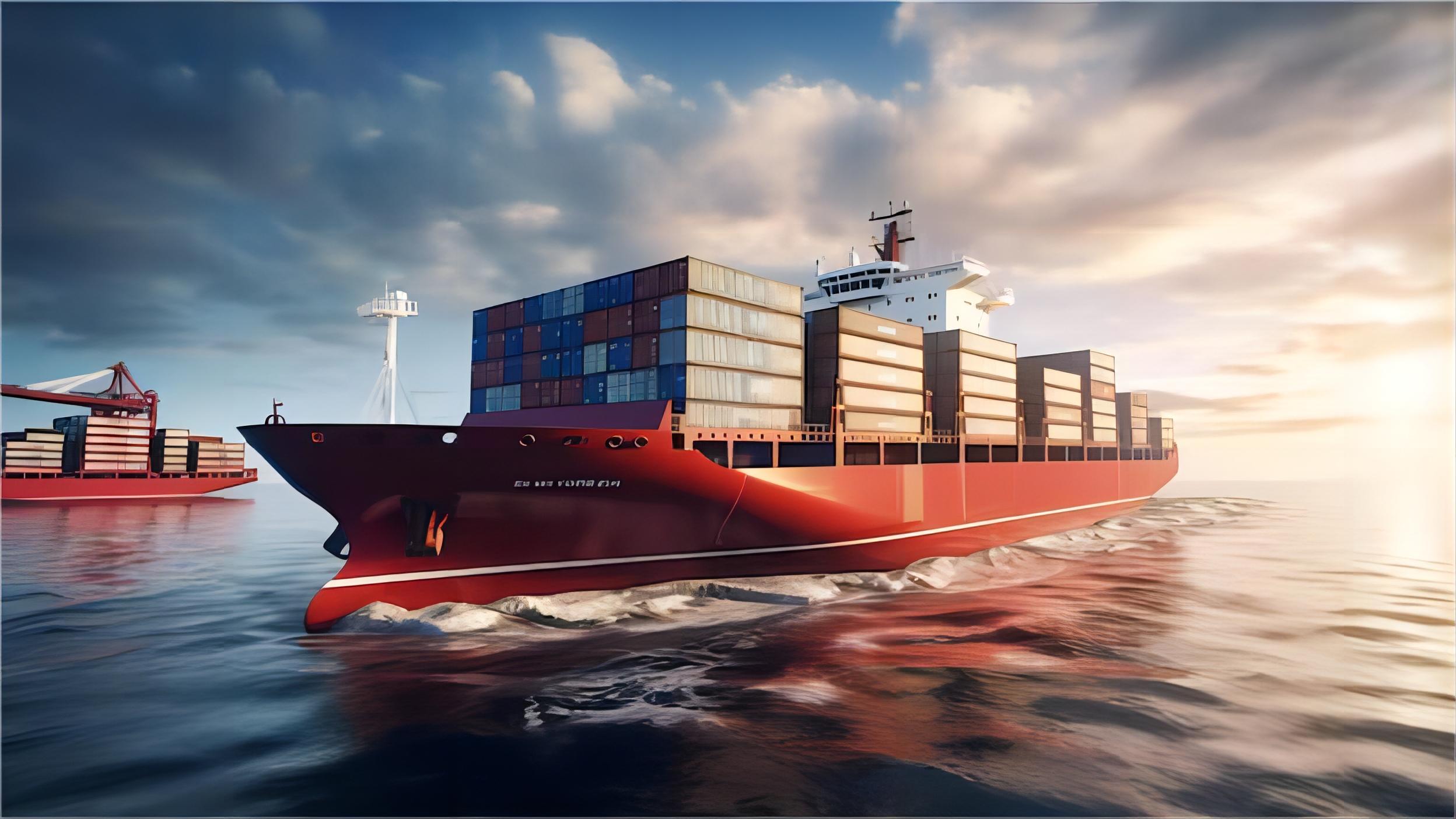
Sea Freight from China to USA Ports: A Complete 2026 Guide
Navigating the complexities of global logistics requires a reliable partner. For businesses moving goods across the Pacific, Global Supply Freight provides expert guidance at https://globalsupplyfreight.com/ to ensure your cargo arrives on time. Understanding the nuances of sea freight from China to USA ports is essential for maintaining a competitive edge in today’s fast-paced market.

Understanding Sea Freight from China to USA Ports
Shipping goods via ocean remains the most cost-effective solution for large-scale inventory. By choosing reliable sea freight, companies can balance budget constraints with significant volume requirements.
Major West Coast gateways like Los Angeles and Long Beach handle the bulk of trans-Pacific trade. However, East Coast ports are gaining popularity for shipments destined for the Atlantic side of the country.
How Does Sea Freight Compare to Other Shipping Options?
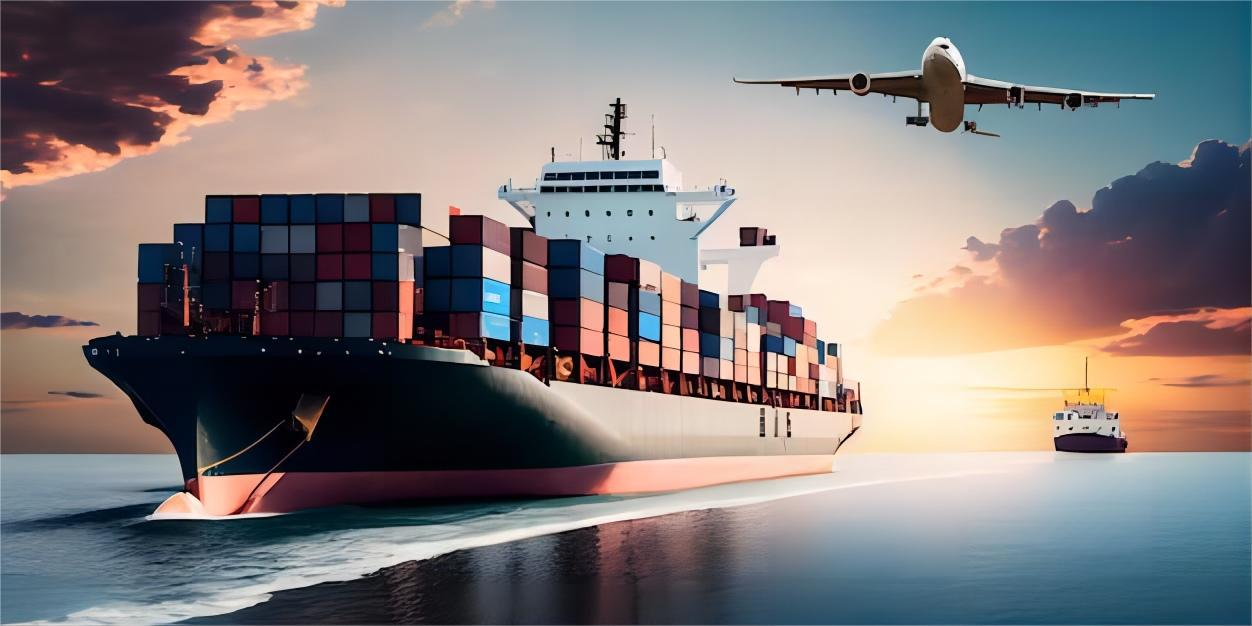
Choosing the right logistics mode depends on your specific business goals. While sea freight is ideal for heavy cargo, other methods offer unique advantages depending on urgency and budget.
For instance, air freight is significantly faster but comes at a premium price. Meanwhile, rail freight serves as a viable middle ground for specific land-bridged regions.
| Method | Cost | Transit Time | Best For |
|---|---|---|---|
| Sea Freight | Low | 20-40 Days | High Volume |
| Air Freight | High | 3-7 Days | Urgent/Expensive |
| Rail Freight | Medium | 15-25 Days | Bulk Inland |
Optimizing Your Supply Chain Logistics
Efficiency begins with proper planning. Utilizing door to door services eliminates the headache of managing multiple vendors. Furthermore, professional customs brokerage ensures your shipments bypass unnecessary regulatory delays.
Managing large volumes often requires specialized support. If you are selling on online marketplaces, our Amazon FBA solutions are designed to streamline your inventory arrival. Ultimately, these integrated services reduce your total landed cost and operational stress.
Finalizing Your Shipping Strategy
Mastering sea freight from China to USA ports is a continuous process of adjusting to market trends and carrier availability. By leveraging professional partnerships, you can navigate seasonal peaks and port congestion with ease.
In summary, proactive planning and choosing the right shipping method will keep your business moving forward. We are here to support your growth in every step of the international trade journey.
Need a tailored shipping solution?
Ready to optimize your logistics strategy? Contact our logistics experts today to get a competitive quote for your next sea freight shipment. Visit https://globalsupplyfreight.com/ to start your inquiry and secure your space on the next available vessel.
Frequently Asked Questions
What is the typical transit time for sea freight to the US?
Transit times generally range from 14 to 18 days for West Coast ports and 30 to 35 days for East Coast ports, depending on the carrier and specific route.
How can I reduce my shipping costs from China?
Consolidating your cargo into full container loads is the most effective way to lower per-unit shipping costs. Additionally, booking in advance helps avoid peak season surcharges.
What documents are required for US customs clearance?
Essential documents include the Commercial Invoice, Packing List, Bill of Lading, and the Importer Security Filing. Accurate documentation prevents costly delays at the port.
Is insurance necessary for ocean shipping?
Yes, cargo insurance is highly recommended. It protects your investment against potential damage, theft, or losses during the long transit across the ocean.
What is the difference between FCL and LCL?
FCL stands for Full Container Load, where you rent the entire container. LCL stands for Less than Container Load, where you share container space with other shippers.
How do port strikes affect my shipment?
Port labor disputes can cause significant delays and vessel backlogs. Working with an experienced freight forwarder helps you pivot to alternative ports if congestion occurs.