

Shipping from China Singapore: The Ultimate 2025 Logistics Guide
Optimizing your shipping from China Singapore is essential for maintaining a competitive edge in the fast-paced Southeast Asian market. Global Supply Freight offers the professional expertise required to manage these complex international logistics routes efficiently. Consequently, businesses can reduce overheads and improve delivery reliability by understanding the nuances of various freight methods and customs regulations.
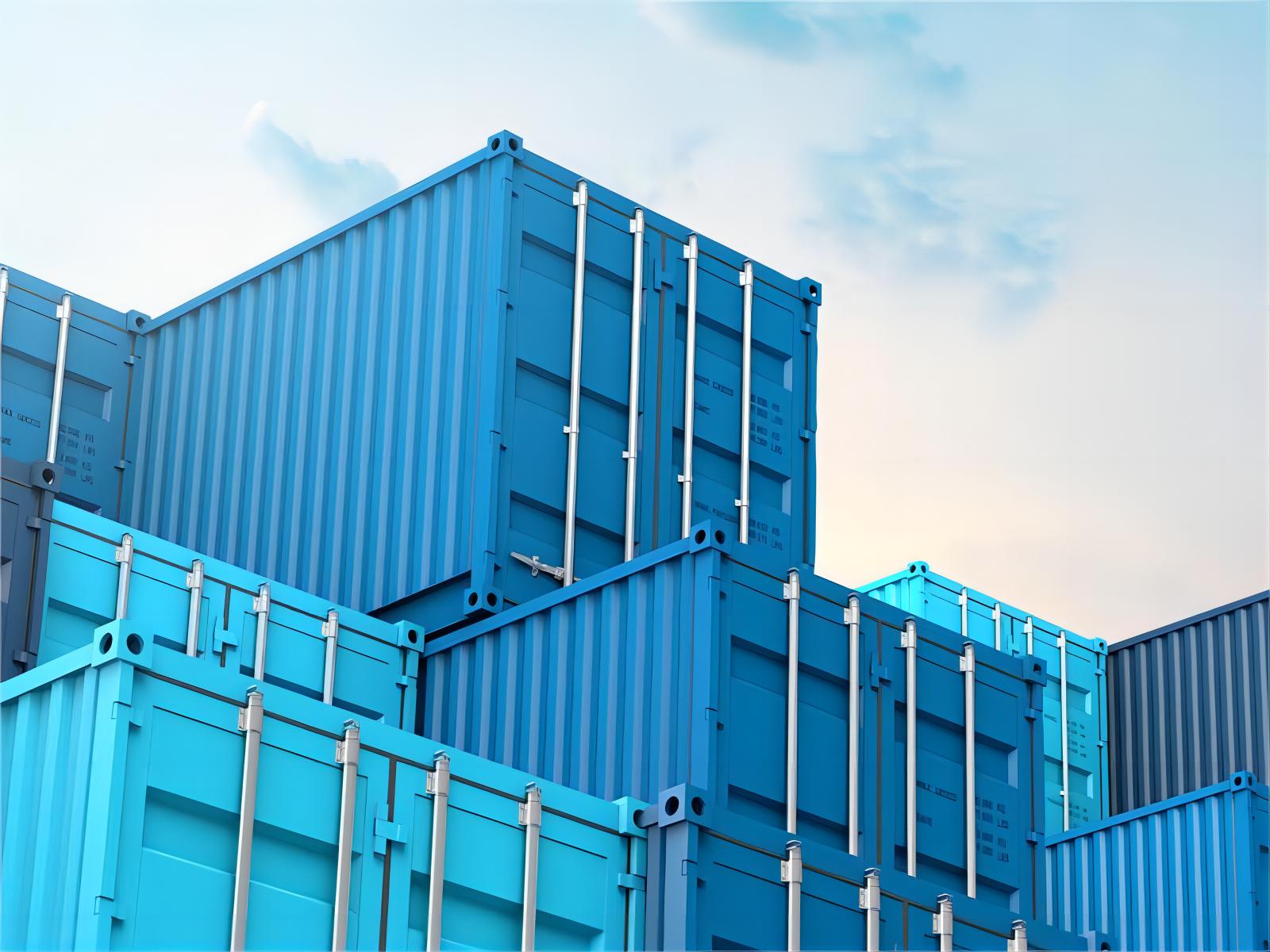
What are the main methods for shipping from china singapore?
Multiple transport modes exist for moving commercial goods between these two major trading hubs. Specifically, businesses typically choose between sea freight, air freight, and courier express services based on their specific cargo needs. Each method offers a unique balance of speed, cost-effectiveness, and capacity.
Furthermore, the geographical proximity of China and Singapore makes maritime transport exceptionally popular for bulk commodities. Meanwhile, high-value electronics and urgent medical supplies often utilize air routes for rapid fulfillment. Therefore, selecting the right mode depends heavily on your inventory cycle and profit margins.
In addition, many companies are now exploring hybrid solutions to maximize efficiency. For instance, combining different transport modes can sometimes offer a middle ground between high-speed air travel and slow-moving ocean vessels. Consequently, a diversified logistics strategy is often the most resilient approach.
How does sea freight compare to other shipping options?
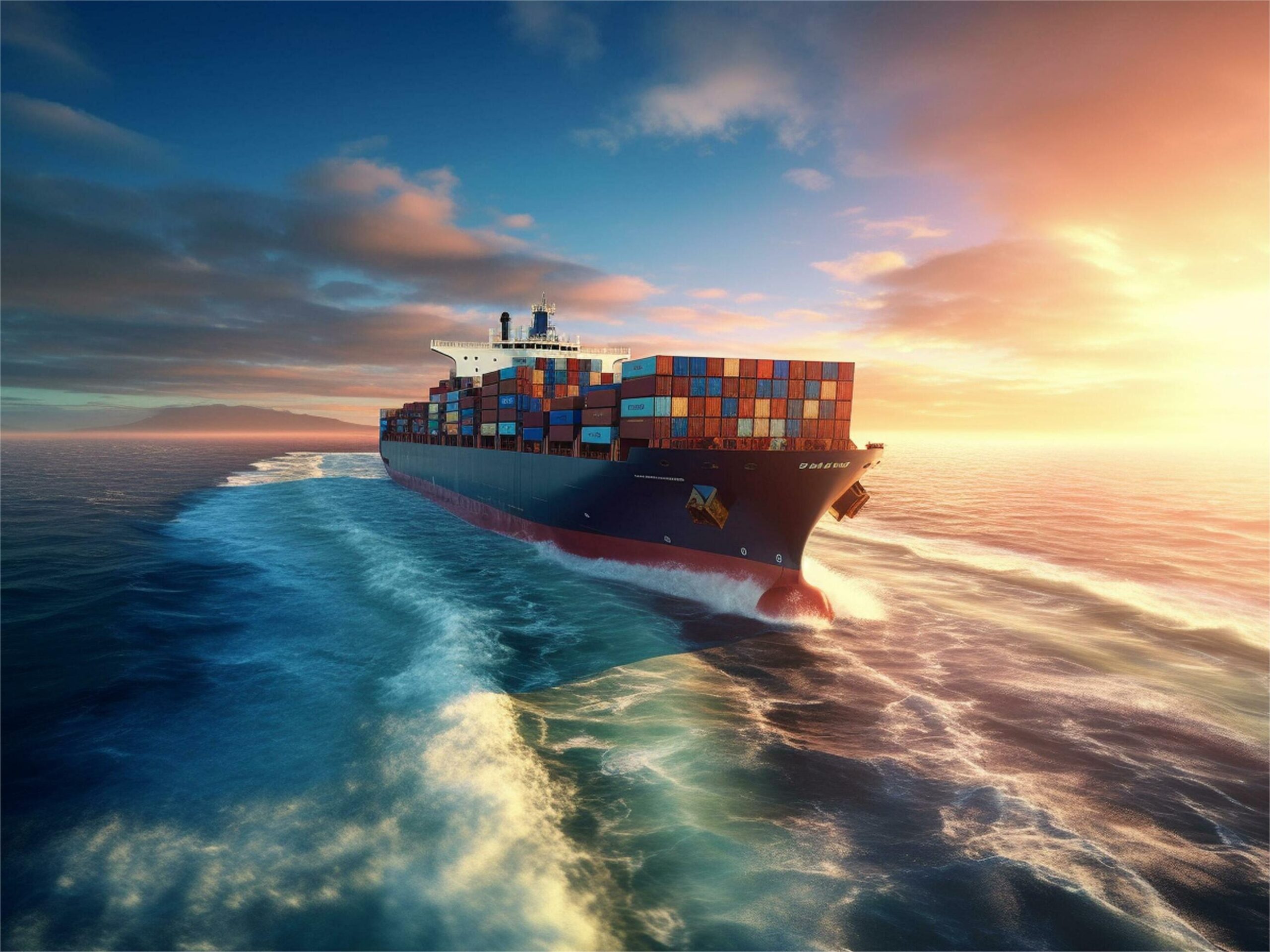
When considering sea freight, it is important to analyze how it stacks up against more expensive alternatives. Ocean transport is undeniably the most economical choice for large volumes or heavy machinery. On the other hand, the transit time is significantly longer than air-based solutions.
Moreover, sea freight allows for the transport of hazardous materials that might be restricted on aircraft. Indeed, the ability to move massive quantities of goods in a single shipment provides unmatched economies of scale. However, businesses must account for longer lead times in their planning.
As a result, we have compiled a comparison table to help you visualize the trade-offs between different shipping methods for this specific route.
| Shipping Method | Cost Range | Transit Time | Best For |
|---|---|---|---|
| Sea Freight (FCL) | $400 – $900 | 4 – 8 Days | Bulk goods, heavy items |
| Sea Freight (LCL) | $30 – $60/CBM | 7 – 12 Days | Small business inventory |
| Air Freight | $2.50 – $5.00/kg | 1 – 3 Days | Urgent, high-value cargo |
| Express Courier | $6.00 – $9.00/kg | 1 – 2 Days | Samples and documents |
Why should you choose air freight for urgent cargo?
Utilizing air freight is the most effective way to minimize transit time when deadlines are tight. This method is particularly beneficial for seasonal products or time-sensitive electronics that lose value quickly. Additionally, air transport offers higher security levels for sensitive goods.
Indeed, the risk of damage or theft is statistically lower in air logistics compared to sea routes. Furthermore, the frequent flight schedules between major Chinese cities and Changi Airport ensure that cargo rarely sits idle. Consequently, inventory turnover rates can be significantly improved.
Nevertheless, the higher cost per kilogram means this method is best reserved for items with high profit margins. For example, a shipment of luxury fashion items would justify the expense, whereas low-cost plastic toys would not. Therefore, careful cost-benefit analysis is required.
What are the benefits of express service for small parcels?
For shipments that weigh less than 100 kilograms, an express service is often the most practical solution. These providers offer door-to-door convenience and handle all customs formalities on behalf of the shipper. Moreover, the tracking capabilities are generally more granular than traditional freight.
In addition, express couriers operate their own dedicated networks, which reduces the chance of delays caused by third-party handling. Consequently, this is the preferred method for shipping prototypes or urgent replacement parts. However, for shipments exceeding 200 kilograms, the costs can become prohibitive.
Accordingly, businesses should monitor their shipment sizes closely to determine when to switch from express to standard air freight. Indeed, making this transition at the right volume threshold can save thousands of dollars annually. Meanwhile, express remains the king of speed for small-scale logistics.
How to handle customs brokerage and documentation?
Navigating the regulatory environment requires a professional customs brokerage partner to avoid costly delays. Singapore has strict rules regarding the importation of certain goods, and incorrect paperwork can lead to fines. Therefore, ensuring all declarations are accurate is a top priority.
Furthermore, you must provide a commercial invoice, packing list, and a bill of lading for every shipment. In addition, certain items may require specific permits from the Singapore Food Agency or other regulatory bodies. Consequently, proactive preparation of these documents is essential for a smooth clearance process.
Actually, many delays at the border are the result of minor clerical errors. Meanwhile, a dedicated broker can identify these issues before the cargo even arrives at the port. As a result, your supply chain remains fluid and predictable.
Can you save money with door to door services?
Many importers find that door to door services provide the best value by consolidating various logistics costs. This all-inclusive approach covers pickup, international transport, customs, and final delivery. Moreover, it eliminates the need for the importer to coordinate with multiple vendors.
Indeed, having a single point of contact simplifies communication and reduces the likelihood of logistical gaps. Additionally, these services often include insurance and warehousing options for added peace of mind. Consequently, the total landed cost is often more transparent and easier to budget.
On the other hand, some large corporations prefer to manage each leg of the journey separately to shave off minor costs. However, for most small to medium enterprises, the time saved by using an integrated service far outweighs the potential savings. Therefore, it remains a highly recommended strategy.

Case Study 1: Electronics from Shenzhen to Singapore
Route: Shenzhen, China to Singapore. Cargo: Consumer Electronics, 4 CBM, 850 kg. Method: Sea Freight LCL. Carrier: Major Regional Carrier. Port of Loading: Shenzhen. Port of Discharge: Singapore. Route Type: Direct.
Cost Breakdown: Ocean Freight: $240. Origin Charges: $110. Destination Charges: $150. Customs and Duties: $420. Total Landed Cost: $920. Timeline: Booking to Loading: 2 days. Sea Transit: 5 days. Customs Clearance: 1 day. Total Door-to-Door: 9 days.
Key Insight: Choosing LCL for this mid-sized shipment was 60 percent cheaper than air freight while only taking a week longer. Based on Q1 2025 market rates, this remains the most efficient option for non-urgent electronics.
Case Study 2: Industrial Machinery from Shanghai to Singapore
Route: Shanghai, China to Singapore. Cargo: Industrial Lathe, 18 CBM, 4500 kg. Container: 20GP Full Container. Carrier: COSCO. Port of Loading: Shanghai. Port of Discharge: Singapore. Route Type: Direct.
Cost Breakdown: Ocean Freight: $550. Origin Charges: $200. Destination Charges: $180. Customs and Duties: $1,200. Total Landed Cost: $2,130. Timeline: Booking to Loading: 3 days. Sea Transit: 7 days. Customs Clearance: 2 days. Total Door-to-Door: 13 days.
Key Insight: Utilizing a full container prevented damage to the sensitive machinery and simplified the loading process at the factory. Typical rates as of early 2025 suggest that FCL is highly competitive for heavy industrial equipment.
Which shipping option should you choose?
Deciding on the best method for shipping from China Singapore depends on several key criteria. If your primary concern is budget and you have a lead time of at least two weeks, sea freight is the clear winner. Conversely, if you are shipping high-value items that need to be on shelves within 48 hours, air freight is necessary.
Furthermore, consider the volume of your cargo. For shipments under 1 CBM, express or air freight might actually be more cost-effective due to the high minimum fees associated with sea freight. In contrast, once you exceed 3 CBM, the savings offered by ocean transport become substantial.
To summarize, you should prioritize speed for perishables and electronics, while prioritizing cost for textiles, furniture, and raw materials. Always consult with a logistics expert to get a current quote tailored to your specific needs. Note: Freight rates are subject to change based on fuel costs, carrier capacity, and seasonal demand.
Mastering Your Singapore Supply Chain
Successfully managing shipping from China Singapore requires a deep understanding of the available transport modes and regulatory requirements. By choosing between sea, air, and express services strategically, you can optimize both your delivery schedule and your bottom line.
Indeed, the right logistics partner will help you navigate customs and documentation with ease. As market trends evolve in 2025, staying informed about freight rates and transit times remains a critical component of business success. Start optimizing your cargo handling today for a more resilient future.

Ready to streamline your logistics?
Ready to streamline your shipping from China Singapore? Contact Global Supply Freight today for a customized quote and expert logistics advice. Visit our website to learn more about our comprehensive freight solutions. Send Inquiry: https://globalsupplyfreight.com/contact/
Request Quote