FCL Shipping China by Air Germany: Expert Logistics Guide
Navigating the complexities of fcl shipping china by air germany is essential for modern businesses requiring rapid transit and secure handling of high-volume cargo. While the term FCL typically refers to sea containers, large-scale air shipments demand similar dedicated logistics management to ensure efficiency across global supply chains. This guide provides comprehensive insights into optimizing your heavy air freight strategy between these two major economic powerhouses.
How Does FCL Shipping China by Air Germany Compare to Other Shipping Options?
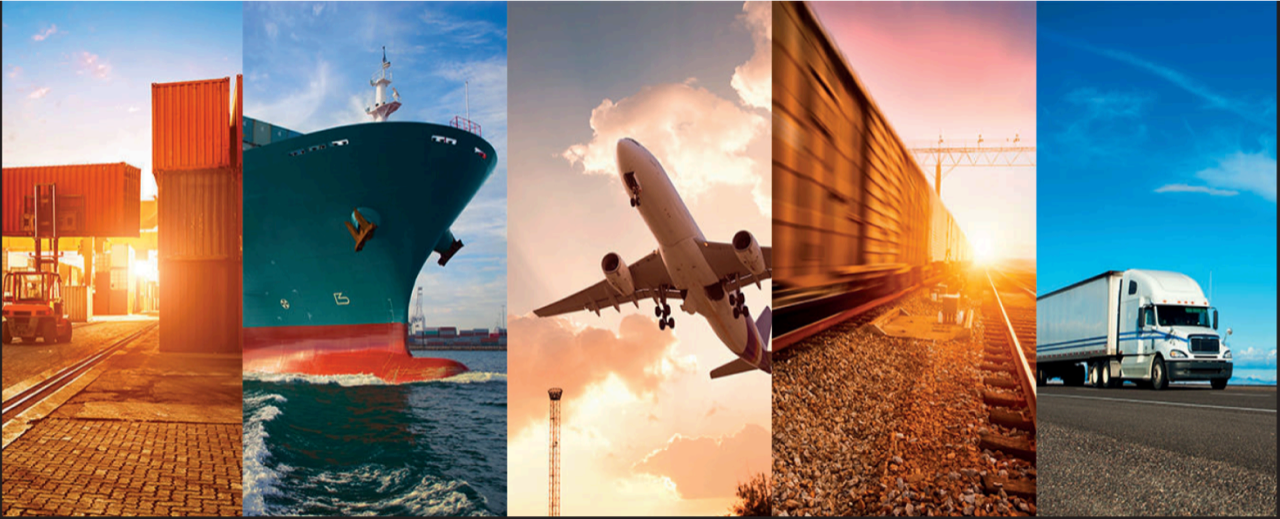
Evaluating different transport modes is the first step in creating a resilient supply chain. While sea freight offers the lowest cost for massive volumes, it cannot match the speed required for time-sensitive electronics or automotive parts. Consequently, many importers look toward high-capacity air solutions to bridge the gap between speed and volume.
Furthermore, rail freight serves as a middle ground, providing faster transit than sea but at a lower price point than air. However, for shipments where every day counts, dedicated air cargo remains the gold standard for reliability. Businesses must weigh the higher air freight rates against the potential loss of market share caused by delays.
Moreover, choosing the right method depends heavily on your specific cargo dimensions and weight. Large volume air cargo often utilizes Unit Load Devices (ULDs) which function similarly to containers in a maritime context. This approach ensures that your goods remain together and protected throughout the flight.
| Shipping Method | Cost Range | Transit Time | Best For |
|---|---|---|---|
| Air Freight | $4.50 – $8.00 per kg | 3 – 7 Days | High-value, urgent goods |
| Sea Freight (FCL) | $2,500 – $4,500 per 40HQ | 30 – 45 Days | Bulk commodities |
| Rail Freight | $1.50 – $2.50 per kg | 15 – 22 Days | Balanced cost and speed |
| Express Service | $8.00 – $12.00 per kg | 2 – 4 Days | Small samples, documents |

Understanding the Logistics of Large Volume Air Cargo
Implementing a successful air freight strategy requires a deep understanding of aircraft capacity and scheduling. Major hubs like Shanghai Pudong and Shenzhen Bao’an offer frequent departures to Frankfurt and Munich. Therefore, securing space early is vital during peak seasons when capacity tightens significantly.
Additionally, the concept of fcl shipping china by air germany involves consolidating large quantities of goods into dedicated aircraft space. This method reduces the risk of cargo being split across multiple flights, which is common in standard air shipping. Indeed, consistency in arrival times is a major benefit of this high-volume approach.
Typically, freight forwarders will manage the entire process from the factory floor to the airport tarmac. They coordinate with ground handlers to ensure that your heavy pallets are weighted and balanced correctly for flight safety. As a result, professional handling minimizes the chance of damage during the rapid transit process.
Key Factors Influencing Air Freight Rates from China to Germany
Fuel surcharges represent one of the most volatile components of total shipping costs. Since aviation fuel prices fluctuate based on global oil markets, your final invoice may vary from the initial quote. Consequently, most logistics providers provide quotes that are valid for only a short window of time.
Another critical factor is the chargeable weight, which is the greater of the actual weight or the volumetric weight. For instance, bulky but light items like pillows will be billed based on the space they occupy rather than their mass. Understanding this calculation is essential for accurate budgeting and cost control.
Moreover, seasonal demand plays a massive role in pricing trends. During the Q4 peak season, rates typically increase by 20 to 30 percent due to the surge in consumer electronics shipments. Planning your inventory cycles around these predictable peaks can save your business thousands of dollars annually.
Essential Customs Documentation for German Imports
Navigating customs brokerage is often the most challenging aspect of importing goods into the European Union. Germany maintains strict regulations regarding product safety, environmental standards, and tax compliance. Therefore, ensuring your paperwork is flawless before the cargo leaves China is a non-negotiable requirement.
Specifically, you must provide a commercial invoice that clearly states the value, origin, and description of the goods. In addition, a detailed packing list and a Bill of Lading or Air Waybill are mandatory for the clearance process. Without these documents, your shipment could face expensive storage fees at German airports.
Furthermore, certain products may require specialized certificates, such as CE marking for electronics or phytosanitary certificates for organic materials. Failure to provide these can lead to the seizure of goods by German authorities. Consequently, working with an experienced broker is the best way to avoid these pitfalls.
| Document Name | Required By | Primary Purpose | Key Detail |
|---|---|---|---|
| Commercial Invoice | German Customs | Value Assessment | Must match packing list |
| Air Waybill (AWB) | Carrier / Customs | Contract of Carriage | Unique tracking number |
| Packing List | Warehouse / Customs | Cargo Verification | Detailed item count |
| Certificate of Origin | German Customs | Duty Determination | Proves manufacturing site |
Transit Times and Delivery Schedules for High-Volume Air Freight
Direct flights from major Chinese cities to Germany usually take between 10 and 14 hours. However, the total door-to-door transit time is much longer when accounting for ground handling and customs. Typically, you should expect a total duration of 4 to 7 business days for most high-volume air shipments.
Meanwhile, choosing an indirect route with a transshipment point like Dubai or Istanbul can reduce costs. While this adds 2 to 3 days to the schedule, the savings on freight rates can be substantial for less urgent cargo. Businesses must decide if the extra time is worth the budgetary relief.
Additionally, the efficiency of the final mile delivery in Germany affects the overall schedule. Germany’s robust infrastructure generally ensures quick transport from airports to major industrial hubs like Stuttgart or Berlin. Nevertheless, local holidays or industrial actions can occasionally cause minor disruptions to the delivery timeline.
Door to Door Logistics: Simplifying the Supply Chain
Utilizing a door to door service removes the burden of logistics management from the importer. This comprehensive solution covers everything from the initial pickup at the Chinese factory to the final unloading at your German warehouse. Indeed, this end-to-end visibility is highly valued by businesses with lean operations.
Furthermore, integrated logistics providers use advanced tracking systems to give you real-time updates on your cargo’s location. This transparency allows you to keep your customers informed and manage your inventory levels more effectively. As a result, you can react quickly to any potential delays in the transport chain.
Moreover, a single point of contact simplifies communication and reduces the likelihood of errors. Instead of managing multiple vendors, you deal with one partner who understands your entire shipping history. This relationship often leads to better service levels and more customized logistics solutions over time.
Real-World Case Studies: FCL Shipping China by Air Germany
Case Study 1: High-Priority Electronics. Route: Shenzhen, China to Frankfurt, Germany. Cargo: Premium Smartphones, 12 CBM, 4500 kg. Shipping Details: Direct air charter via major carrier. Cost Breakdown: Air Freight $22,500, Origin Charges $800, Destination Charges $950, Total Landed Cost $24,250. Timeline: 4 days total door-to-door. Key Insight: Using dedicated space avoided the peak season backlog, ensuring the product launch stayed on schedule.
Case Study 2: Urgent Automotive Components. Route: Shanghai, China to Munich, Germany. Cargo: Engine Control Units, 8 CBM, 3200 kg. Shipping Details: Express air freight with transshipment in Dubai. Cost Breakdown: Air Freight $15,200, Customs Clearance $450, Local Delivery $600, Total Landed Cost $16,250. Timeline: 6 days total door-to-door. Key Insight: Opting for a transshipment route saved the client 15 percent in costs while still meeting the production deadline.
Based on early 2025 market rates, these examples illustrate the balance between speed and investment. Note: Freight rates are subject to change based on fuel costs, carrier capacity, and seasonal demand. Contact us for a current quote tailored to your specific shipment.
Which Option Should You Choose? A Decision Framework
Selecting the right shipping method requires a clear understanding of your business priorities. If your primary goal is cost reduction and you have a flexible timeline, sea freight remains the most logical choice. However, when your inventory turnover is high, the speed of air freight justifies the added expense.
Specifically, consider air freight when the value of the goods exceeds $50 per kilogram. At this price point, the cost of capital tied up in transit often outweighs the savings of slower shipping methods. Additionally, perishable items or seasonal fashion goods almost always require the speed of air transport to remain viable.
Conversely, for shipments exceeding 15 cubic meters that are not time-critical, rail freight offers a compelling alternative. It provides a significant speed advantage over sea freight while remaining much cheaper than air. Ultimately, a hybrid strategy using different modes for different product lines is often the most efficient approach.
Cost-Saving Strategies and Alternative Approaches
Consolidating smaller shipments into a single large air freight booking can lead to significant volume discounts. Many freight forwarders offer lower rates for shipments that exceed 1,000 kilograms. Therefore, coordinating your purchasing schedule to create larger batches is a highly effective way to reduce per-unit costs.
Another strategy involves optimizing your packaging to minimize volumetric weight. Using lighter, more durable materials can reduce the overall dimensions of your pallets without compromising safety. Indeed, even a small reduction in box size can lead to substantial savings when applied to a large shipment.
Furthermore, consider a Sea-Air hybrid solution for a balance of cost and speed. This involves shipping goods by sea from China to a hub like Dubai, then flying them the rest of the way to Germany. This method typically cuts transit time in half compared to sea freight while costing 40 percent less than pure air freight.
Final Thoughts on High-Volume Air Logistics
Successfully managing fcl shipping china by air germany requires a strategic approach that balances speed, cost, and reliability. By understanding the nuances of air capacity and German customs regulations, businesses can avoid common pitfalls and maintain a competitive edge. Furthermore, the use of dedicated air space for large volumes ensures that critical inventory arrives exactly when needed.
As market conditions continue to evolve in 2025, staying informed about freight trends and alternative routes is more important than ever. Whether you choose direct air freight or a hybrid solution, the right logistics partner will help you navigate these complexities with ease. Ultimately, investing in high-quality air shipping is an investment in your company’s growth and customer satisfaction.
Ready to streamline your logistics?
Streamline your global supply chain today with our expert fcl shipping china by air germany services. Our team provides tailored logistics solutions that ensure your high-volume cargo arrives safely and on time. Visit our website to request a customized quote and experience the difference of professional freight management. See: https://globalsupplyfreight.com/
Request Quote