
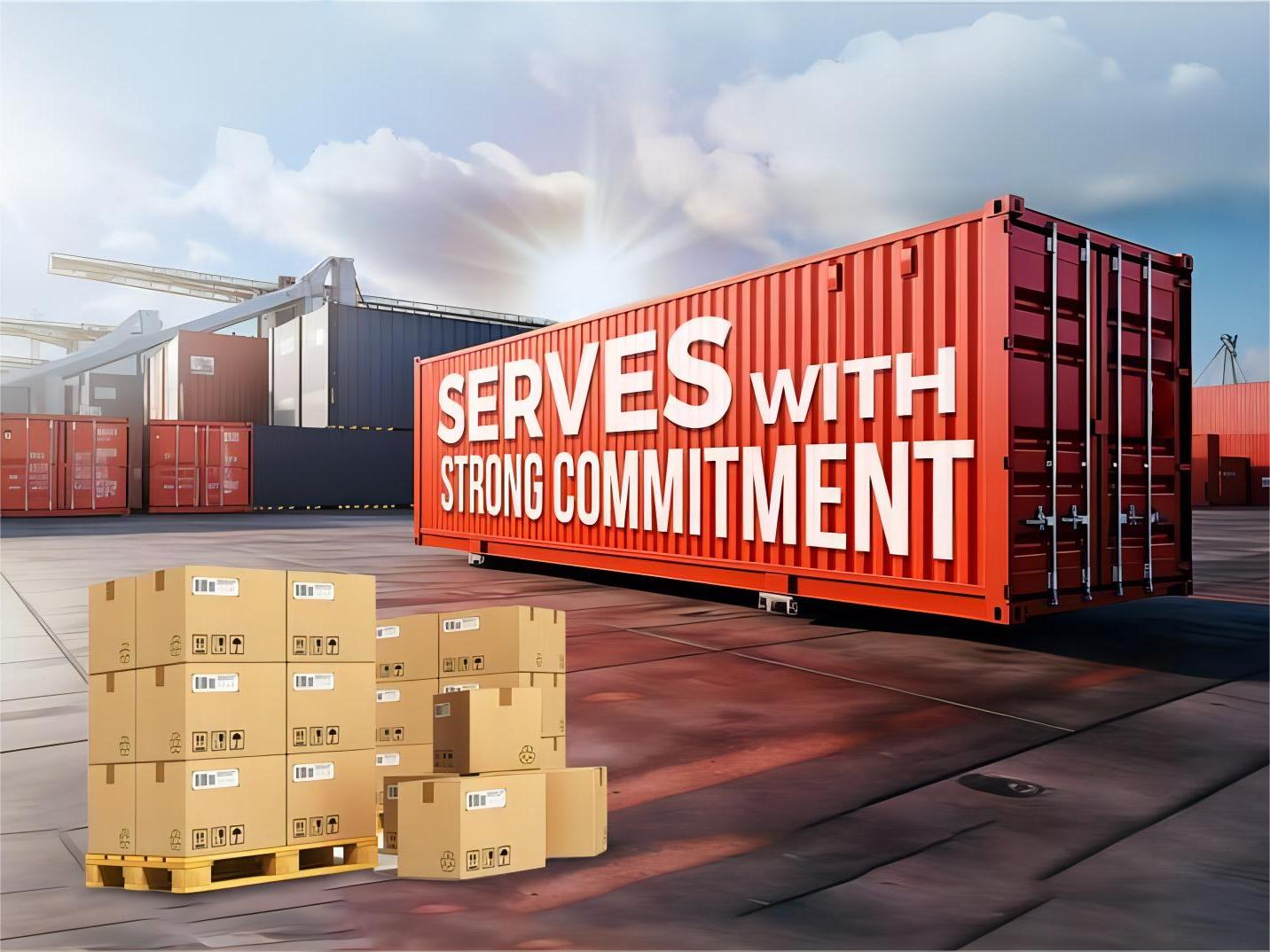
Factory Cargo Collection and Shipping Management: A 2026 Guide
Effective factory cargo collection and shipping management is the backbone of a successful international supply chain. Companies looking to streamline their logistics operations should start by visiting Global Supply Freight at https://globalsupplyfreight.com/ for professional support. By mastering the coordination between your manufacturing partners and freight forwarders, you can significantly reduce transit times and mitigate common risks.

Why Factory Cargo Collection Matters for Your Supply Chain
Managing the initial stage of the export process is critical for maintaining a predictable delivery schedule. Many businesses overlook the importance of local pickup, yet poor coordination here often leads to costly delays at the port of loading.

Furthermore, professional cargo handling ensures that your goods are properly palletized and secured before they even reach the freight terminal. This proactive approach minimizes the risk of damage during transit, which is essential for maintaining high quality standards.
To ensure your goods are handled correctly, consider utilizing specialized door to door services that cover every step from the factory floor to your warehouse.
Streamlining Shipping Management and Logistics Trends
As of 2026, logistics trends emphasize the need for real-time visibility and digital documentation. Integrating your inventory systems with your logistics provider allows for seamless data flow and faster customs clearance.
Additionally, businesses should leverage advanced customs brokerage solutions to avoid regulatory bottlenecks. When you automate your compliance checks, you significantly lower the probability of cargo holds or unexpected fines.
If you are shipping high-value or time-sensitive inventory, opting for express service options can provide the speed and reliability your customers expect in today’s competitive market.
| Method | Cost | Transit Time | Best For |
|---|---|---|---|
| Sea Freight | Low | 25-45 Days | Bulk Goods |
| Air Freight | High | 3-7 Days | Urgent Items |
| Rail Freight | Medium | 15-20 Days | Europe/Asia |
How Does Sea Freight Compare to Other Shipping Options?
Choosing the right transport mode requires balancing your budget against your specific delivery deadlines. While sea freight remains the most cost-effective solution for large volumes, it requires a longer lead time compared to air or rail alternatives.
For example, exploring sea freight is ideal for heavy machinery or bulk retail goods. In contrast, air freight is the superior choice for high-margin, lightweight products that must reach the market quickly.
Additionally, rail freight offers a middle-ground solution for shipments to Europe, providing faster transit than ocean vessels at a fraction of the cost of air cargo.
Mastering Global Logistics
In summary, successful factory cargo collection and shipping management relies on careful planning and reliable partnerships. By choosing the right transport mode and maintaining clear communication with your freight forwarder, you can optimize your shipping costs and ensure a consistent supply chain flow.
Always monitor market fluctuations and adjust your shipping strategies accordingly to maintain a competitive edge throughout 2026.
Need a tailored shipping solution?
Ready to optimize your logistics? Contact our expert team today to request a quote for your factory cargo collection and shipping management needs. Visit our website to start your inquiry now.