
Mastering Supplier Coordination and Export Logistics Support in 2026
Effective supplier coordination and export logistics support are the backbones of a successful international trade operation in 2026. Businesses often struggle with fragmented communication and shipment delays when managing multiple vendors. At Global Supply Freight, we bridge these gaps to ensure your cargo moves seamlessly from factory floor to final destination. Visit https://globalsupplyfreight.com/ to learn how we streamline your global shipping operations.

Why Supplier Coordination Matters for Export Logistics Support
Coordinating with suppliers is more than just checking inventory levels. It involves aligning production schedules with freight bookings to avoid costly storage fees.

Furthermore, proactive communication prevents documentation errors that frequently lead to customs holds. By integrating your logistics support early in the procurement phase, you gain better visibility into your supply chain.
Many importers often overlook the impact of poor vendor communication. Consequently, they face unexpected charges and transit delays that damage customer trust.
Professional logistics partners act as a central hub for all stakeholders. This ensures that every party remains informed throughout the export process.
Essential Services for Seamless Global Shipping
To maintain a competitive edge, you need a diverse range of transport solutions tailored to your cargo size and urgency.
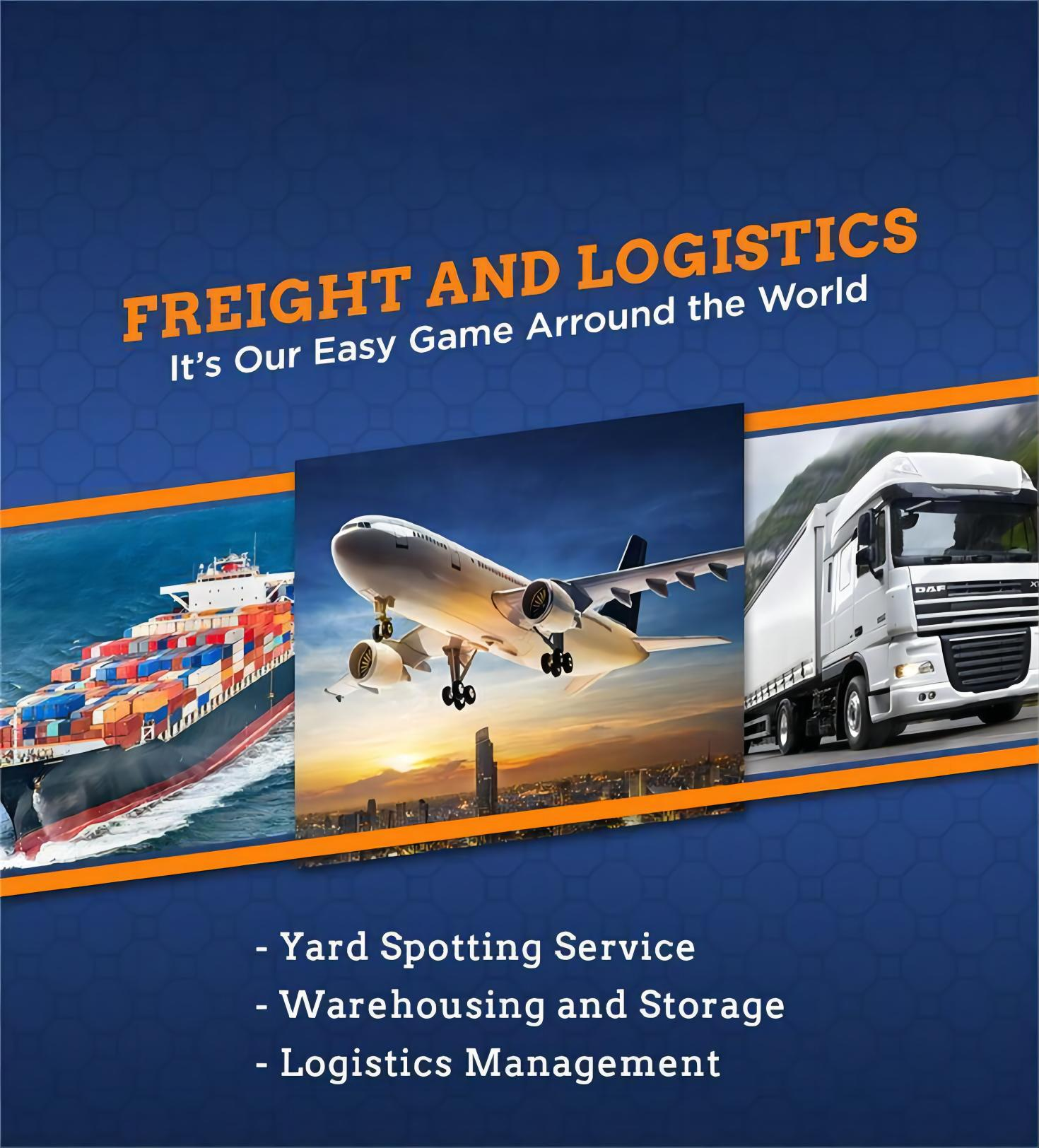
For massive volumes, our sea freight solutions offer the most cost-effective long-distance shipping. Conversely, if your goods require rapid transit, air freight remains the premium choice for time-sensitive inventory.
Businesses shipping across the Eurasian landmass often find rail freight to be the perfect balance between cost and speed. Additionally, for those selling on digital marketplaces, our Amazon FBA services simplify the complexities of direct-to-warehouse delivery.
Finally, our customs brokerage team ensures that your documentation meets all international standards, preventing delays at the border.
How Does Sea Freight Compare to Other Shipping Options?
Choosing the right mode of transport requires a careful analysis of your specific business needs and budget constraints.
While sea freight remains the industry gold standard for bulk goods, other methods offer unique advantages for specific scenarios.
The following table highlights key differences based on 2026 market data.
| Method | Cost | Transit Time | Best For |
|---|---|---|---|
| Sea Freight | Low | 28-40 days | Large Bulk |
| Air Freight | High | 3-7 days | Urgent/High Value |
| Rail Freight | Medium | 15-20 days | Eurasia Trade |
Real World Case Studies in Logistics
Case Study 1: Electronics Export
Route: Shenzhen to Los Angeles. Cargo: 10 CBM of consumer electronics. Method: Air Freight. Total Cost: $8,500. Transit Time: 5 days. Key Insight: High-priority launch required speed over cost-efficiency.
Case Study 2: Industrial Machinery
Route: Shanghai to Rotterdam. Cargo: 2 x 40HQ containers. Method: Sea Freight. Total Cost: $7,200. Transit Time: 32 days. Key Insight: Planning during off-peak season saved 15% on freight rates.
Summary of Logistics Excellence
In summary, combining robust supplier coordination and export logistics support is essential for scaling your import business. By choosing the right transport mode and maintaining clear communication with vendors, you significantly reduce your landed costs.
As of 2026, the logistics landscape rewards those who prioritize planning and professional partnerships. Start optimizing your shipments today to ensure long-term success in the global marketplace.
Need a tailored shipping solution?
Are you ready to optimize your supply chain? Contact our team today for a customized logistics quote and experience the best supplier coordination and export logistics support in the industry. Click here to request your free freight consultation.